

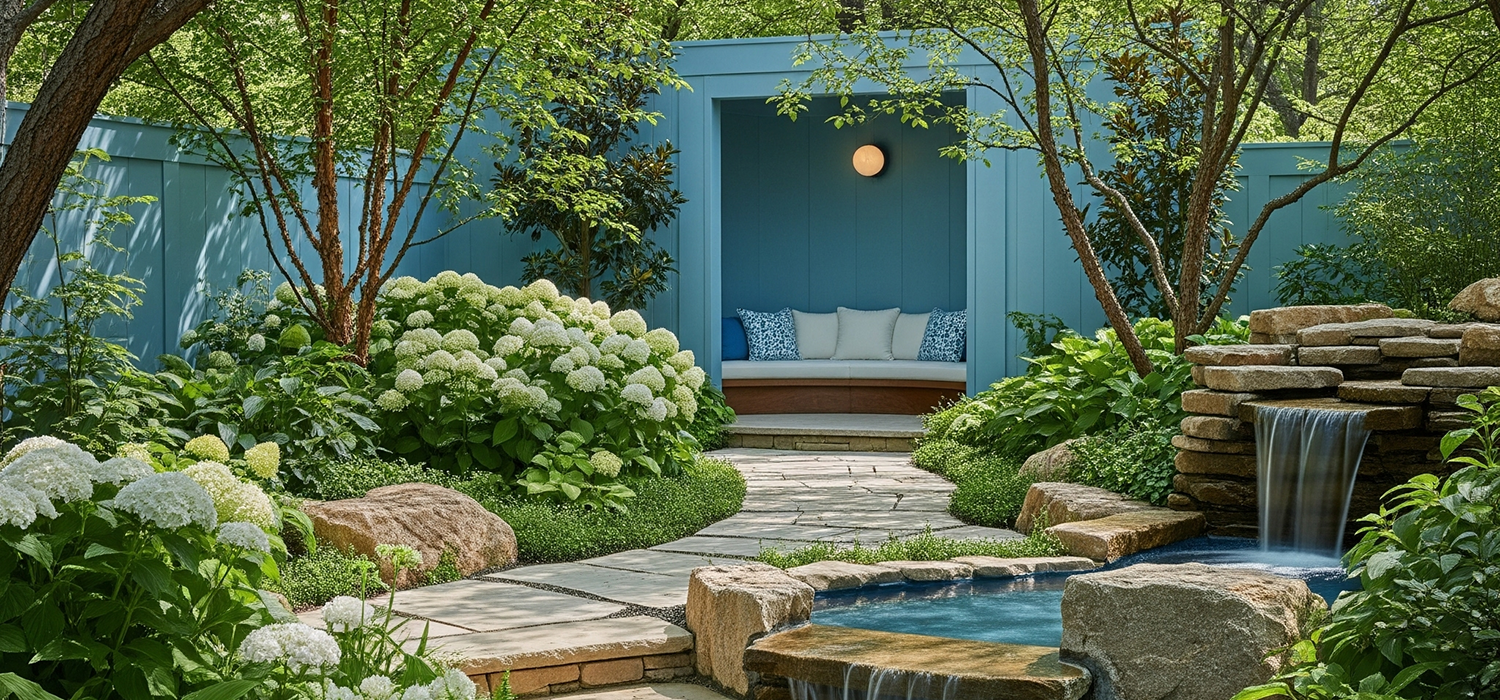
Stressed out? Swap screen time for green time. Wellness gardens are your cheat code to calm—think scented herbs, soft seats, and a splash of zen. The short answer? Yes, your garden can become a sanctuary. Curious how? Keep reading.
If you have any questions about Garden Landscaping click here.
A wellness garden isn’t just about pretty plants—it’s about feeling good. It’s a space where nature meets intention. Somewhere to slow down, breathe deeply, and reconnect with yourself.
These sanctuaries are tailored to calm the mind and nurture the senses. Whether you’ve got a sprawling lawn or a tiny terrace, the goal’s the same: create a place where you feel better just by being there.
Remember the last time you sat outside, no phone, just birdsong and breeze? That’s the kind of connection wellness gardens are all about.
Nature works wonders on frazzled nerves. A quiet bench under a tree or the sound of rustling leaves can lower stress levels without a prescription.
Sunshine, fresh air, and fragrant blooms can lift your spirits in minutes. It’s like a reset button for your brain—no yoga mat required.
Think of your wellness garden as a personal retreat, designed for your mind, body, and soul.
Mix textures, scents, and sounds. Let your garden feel alive. Herbs like mint or lavender near pathways are both practical and powerful.
Add a hidden corner for quiet moments. A swing chair or shaded bench can become your go-to spot for thinking—or not thinking at all.
Your garden should be a full-on sensory experience—subtle, not overwhelming.
Stick to soft tones like greens, purples, and whites. Add plants with interesting shapes and let dappled light filter through trees or pergolas.
A bubbling fountain or soft chimes can drown out noise and pull you into the moment.
Rosemary by the path. Honeysuckle on the fence. These aren’t just plants—they’re invitations to inhale and unwind.
Run your hand along rough bark, soft petals, or cool stone. These textures ground you—literally.
Design your garden like a story, with a beginning, middle, and end.
Winding paths spark curiosity. A tucked-away bench says, "Pause here."
Guide the eye with archways, a sculpture, or a statement plant. These focal points offer balance and beauty.
Sometimes we just need a break from the world. Your garden can provide that.
Private spots feel safe. They help you truly let go. A few well-placed screens or trees can work wonders.
Use tall grasses, hedges, or climbers to create a soft sense of enclosure. Nature’s way of saying, "This is your space."
Choose comfy seating that invites you to linger. A hammock adds a touch of playfulness, while a swing seat under a tree can feel like magic.
Create spots where you can enjoy the garden in all seasons. Pergolas, parasols, or even a leafy archway do the trick.
Even the smallest trickle of water brings calm. Bird baths add life. A pond? That’s next-level serenity.
Stick with cool, calming hues. Blues, silvers, and soft greens help dial down visual noise.
Choose plants that thrive with little fuss—think lavender, ornamental grasses, and evergreens. Less stress, more joy.
Inspired by Japanese traditions, these gardens are simple, clean, and grounding. Gravel, stones, and minimal plants invite quiet reflection.
These spaces are designed to be accessible. Raised beds, wide paths, and sensory-rich plants make them a joy for everyone.
Keep it minimal and serene. Use natural textures, soft lighting, and plenty of open space for movement or meditation.
Popular in hospitals and care homes, these gardens focus on peace and renewal. They’re living proof that nature can heal.
Start by asking: what do I want from this space? Whether it’s morning meditation or afternoon tea, design with that in mind.
Choose plants that suit your climate and lifestyle. Use materials that feel good underfoot and age gracefully—like timber, stone, and gravel.
Begin with one corner. Add a chair. Plant some lavender. Let the space evolve. You don’t need perfection—just presence.
Gardening can be its own therapy. Prune, water, and plant with intention. It’s less about chores and more about connection.
Keep it low-effort. Use mulch, choose hardy plants, and check in with your garden regularly—not just to work, but to enjoy.
You don’t need to travel far to find peace. A wellness garden brings serenity to your doorstep. Whether you build a full retreat or just carve out a quiet corner, you’re planting seeds for a calmer, more connected life.
And your future self will thank you for it.
Other articles our customers have found useful:

