

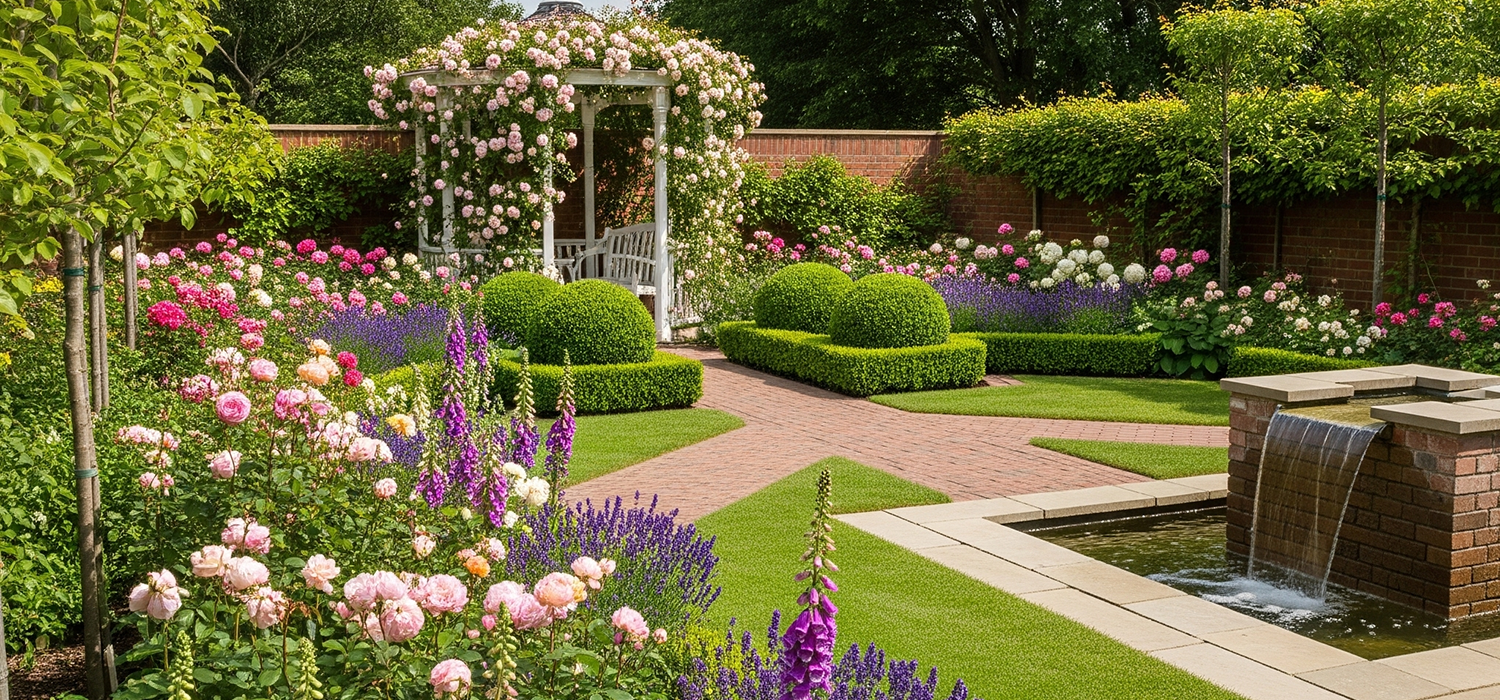
Want a garden that doesn’t ghost you after summer? The short answer: mix seasonal plants, structure, and clever features for year-round wow. From frosty evergreens to blazing autumn leaves, we’ll show you how. If you have any questions about Garden Landscaping click here.
Let’s be honest—most gardens are summer show-offs. Glorious blooms for three months, then... not much. But your garden doesn’t need to hibernate the rest of the year. With a bit of clever planning, it can become a living, breathing space that evolves through every season.
A garden that works all year round keeps you connected to nature, boosts mental wellbeing, and gives you something lovely to look at—even when it’s chucking it down. It’s also brilliant for wildlife, offering food and shelter when it’s needed most.
The UK’s not-so-extreme climate means we can get creative. From dainty snowdrops in January to fiery acers in October, every season brings its own magic. You just need to know how to tap into it.
Imagine your garden like a recipe. Structure is your base, texture adds interest, colour gives the wow-factor, and scent? That’s the finishing flourish. Think evergreen backbones, frothy grasses, jewel-toned flowers, and fragrant walkways.
Skimmia’s festive berries, Sarcococca’s sweet scent, and Camellia’s glossy green leaves are winter winners. They hold the fort when everything else has gone to sleep.
Tiny but mighty, dwarf conifers add neatness and structure without gobbling up space. Try Pinus mugo or Juniperus squamata.
Bold and dramatic, these sculptural beauties bring instant edge to borders. Great in gravel gardens or containers.
Their red and orange stems practically glow in the low winter sun. Plant them in a group for serious impact.
White bark? Yes please. Birches are graceful, light-touch trees that work beautifully in smaller spaces.
Spooky name, beautiful plant. Those ghostly white stems are pure winter theatre.
These are your winter cheerleaders. Popping up through the cold, they lift the spirits and feed early pollinators.
Evergreen, berry-laden, and perfect for robins. Both add colour and structure—and a hint of Christmas.
When your plants are bare, structure steps in. A pergola or an arched walk gives form and focus all year long.
A frost-proof urn or gently bubbling water feature can bring life to a wintery garden scene.
A few soft, warm lights go a long way. Pick out paths, plants, and focal points to enjoy your garden after dark.
Spring bulbs are pure joy. Mix them up and plant in layers for a rolling wave of colour.
Think lasagne: taller bulbs at the bottom, smaller ones on top. This way, your pots and borders keep the show going.
Nothing says spring quite like a frothy pink tree. These are your big hitters for early-season drama.
Low-growing and lovely. These perennials wake up early, filling gaps with gentle colour and happy bees.
Get clever with your plant list. Combine early, mid, and late bloomers so there’s always something strutting its stuff.
Zinnias, cosmos, and snapdragons are quick wins. Slot them in for colour where you need it most.
The garden’s in full swing now. Mix bold flower shapes with soft lavender edges for a quintessential British vibe.
Plant near patios or doors. Think jasmine, honeysuckle, and nicotiana—you’ll thank yourself at dusk.
Pollinators love open-faced flowers. Go for buddleia, echinacea, and borage to keep them coming back.
Autumn is your chance to show off with fiery reds, oranges, and purples. These are your seasonal showstoppers.
They bring soft colour and movement when everything else is winding down. Bonus: they look great in low light.
Don’t deadhead too soon! These plants bring texture, feed wildlife, and look magical frosted.
It helps you visualise what’s happening each month. Think of it as your garden’s diary.
Design in seasonal clusters to keep things balanced and predictable—in a good way.
Mix tall with low, spiky with soft, and round with trailing. The variety keeps the eye moving.
You need both. Evergreens anchor your space, while deciduous plants provide the drama and change.
Don’t be afraid to get snippy. Pruning shapes your garden and encourages more blooms.
A five-minute tidy every week does wonders. Plus, you’ll spot things before they get out of hand.
Feed spring and summer stars when they need it most. Water deeply—not just a sprinkle—especially in dry spells.
With these ideas in your garden toolkit, you can build a space that thrives through frosty mornings, summer heatwaves, and everything in between. All it takes is a bit of planning—and a good cuppa while you do it.
Other articles our customers have found useful:

