

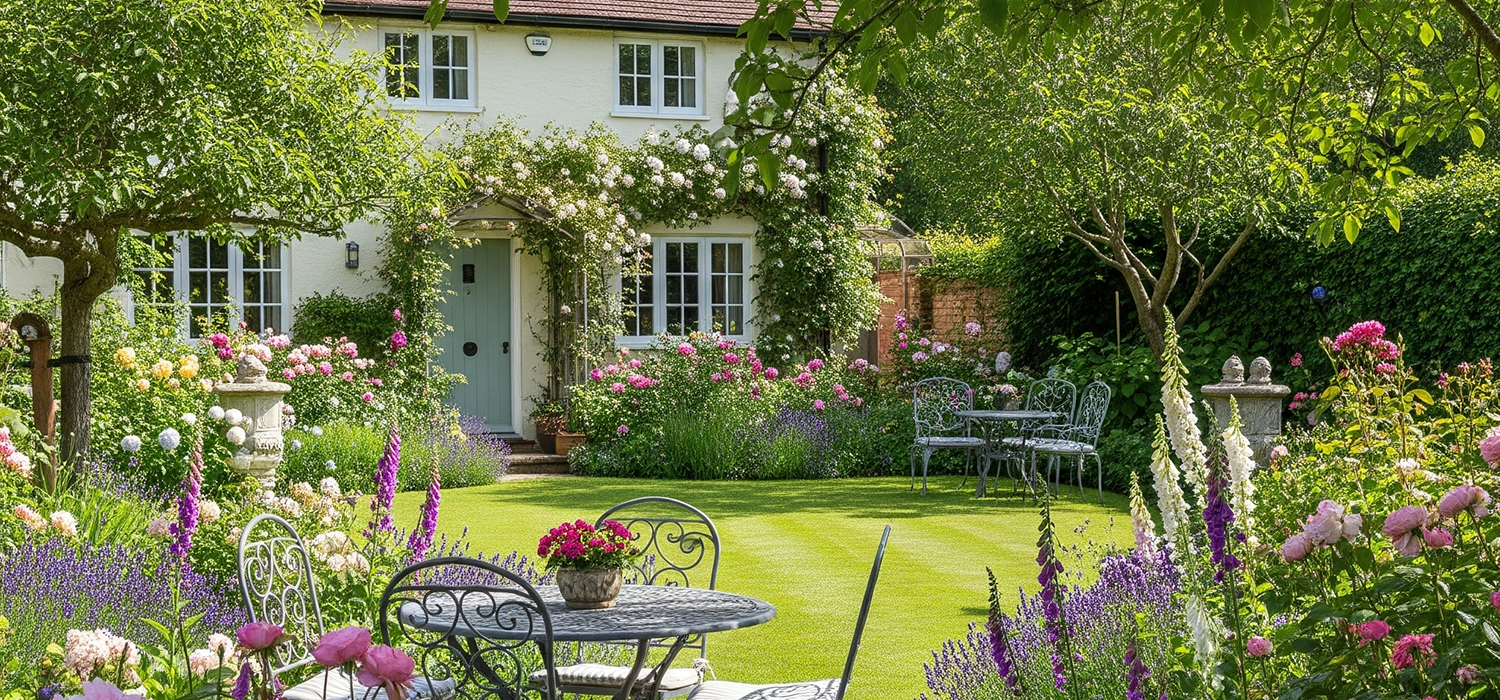
Rain one minute, sun the next—welcome to gardening in the UK! 🌦️ Short answer? Work with the weather: choose the right plants, plan for drainage, and embrace seasonal charm. Want a gorgeous, year-round garden that thrives in our quirky climate? Keep reading!
Have questions about Garden Landscaping? Click here.
Rain is part and parcel of British life—and gardens feel it too. Poor drainage leads to soggy soil, unhappy plants, and muddy lawns. The fix? Use permeable paving, install French drains, or raise your beds. These solutions keep roots healthy and your garden walkable.
We may not get Arctic chills or desert heat, but British weather is full of surprises. Late frosts can zap new growth, and sudden heatwaves stress even hardy plants. Choose varieties that tolerate fluctuations, and use mulch or shade sails to protect during extremes.
That breeze rustling your plants might be doing more harm than good. Strong winds dry soil, break branches, and flatten blooms. Create windbreaks with hedging, fencing, or strategically placed structures to give your garden a fighting chance.
No two UK gardens are alike. Clay holds water but compacts easily; sandy soil drains fast but lacks nutrients. Chalk is alkaline and not every plant likes it. Loam—well, that’s the dream. Test your soil, then amend it with compost, grit, or mulch to make the best of what you’ve got.
You might not realise it, but your garden has zones. The sunny patch by the shed, the shady bit behind the tree, or the wind tunnel between houses—all are microclimates. Design with them in mind. Plants that sulk in one spot may thrive just a few feet away.
A garden in Devon isn’t the same as one in Dundee. Southern gardens tend to be warmer and drier, giving more planting options. In the North, choose tough, cold-tolerant varieties. Coastal areas need salt-resistant plants and wind shelter, while inland spots often battle frost.
Before you plant a single bulb, take a proper look at your space. Where does the sun hit? Are there shaded corners or awkward slopes? Make a quick sketch and note where light falls. It’s the groundwork for a garden that actually works.
Every great garden starts with a purpose. Want a place to chill with a cuppa? Host garden parties? Or let the kids run wild? Your answer should shape every design choice—from lawn size to seating areas.
Be realistic. Landscaping can range from budget-friendly updates to full-blown transformations. List your must-haves, get a few quotes, and add 10–15% extra for surprises. Trust us, there will be surprises.
Lean into the style you love, but make sure it works for our weather. Cottage gardens with drifts of perennials? Timeless. A sleek, modern space with built-in lighting and raised beds? Stunning. Wildlife havens and neat formal borders? Totally doable. Just match your plants and layout to the vibe.
Use materials that won’t crumble at the first frost. Natural stone, reclaimed brick, or composite decking work well. Blend levels, textures, and drainage features into your design so your garden looks great and holds up to a typical British winter.
Soft landscaping brings your garden to life. Layer your planting—low-growing ground cover, medium shrubs, and taller trees or climbers. Lawns create breathing space but consider wildflower turf or artificial grass if mowing’s not your thing.
Native plants like primroses, foxgloves, and rowan trees are already adapted to our conditions. They also support local wildlife—bees, butterflies, birds. Plant them and you’re giving nature a leg up.
Yes, we do get dry summers! Plants like lavender, sedum, and ornamental grasses thrive in lean conditions. Once established, they’ll look fab with minimal fuss.
If your garden turns into a puddle after every rain, go for moisture-lovers. Hostas, astilbe, dogwoods—they’re made for soggy feet. Add compost to lighten heavy clay and boost drainage.
Mix it up. Evergreens like holly and boxwood give you structure all year, while deciduous trees like acer and crab apple bring drama with seasonal changes.
Kick off the year with daffs, tulips, and hellebores. They’re easy, cheerful, and perfect for the UK spring.
Think roses, alliums, and delphiniums. Add bold colour and fragrance when you're outside the most.
Swap fading greens for burnt orange and burgundy. Japanese maples and sedums look stunning this time of year.
Grasses, evergreen shrubs, and structural trees provide interest when everything else is sleeping. Think texture, silhouette, and movement.
Heavy clay? Add grit and organic matter like compost or bark. Dig it in well—it improves drainage and root growth.
Sandy soil drains fast. Bulk it out with organic matter and mulch generously. Your plants will thank you.
No matter the soil, compost is gold. It boosts structure, fertility, and water retention. Add it every season.
Perfect for bad soil or waterlogged spots. They warm up quicker in spring and make gardening easier on your back.
A trench filled with gravel and a pipe. Simple. Redirects water away from beds and patios.
Use gravel, paving gaps, or permeable pavers. They let rain soak in instead of pooling on top.
Stick a water butt under your downpipe. Collect rain, save money, and keep your plants happy during dry spells.
No more lugging watering cans. These systems get water straight to the roots—less waste, better results.
Pick plants that suit your space. Right plant, right place = less work, fewer problems.
Lay it on thick. Mulch stops weeds, keeps soil moist, and adds organic goodness as it breaks down.
Add a birdbath, bug hotel, or small pond. Even a log pile helps. Your garden will hum with life.
Go organic when you can. Beneficial insects hate pesticides as much as pests do. Healthy soil = healthy garden.
Stay on top of things with a seasonal plan. Spring = sow and feed. Summer = water and prune. Autumn = tidy and mulch. Winter = plan and prep. Keep it simple and you’ll never feel behind.
Most garden work flies under the radar, but check before building anything big. Raised decks, tall structures, or changes near listed buildings may need permission. Better safe than sorry—ask your local council.
Other articles our customers have found useful:

