

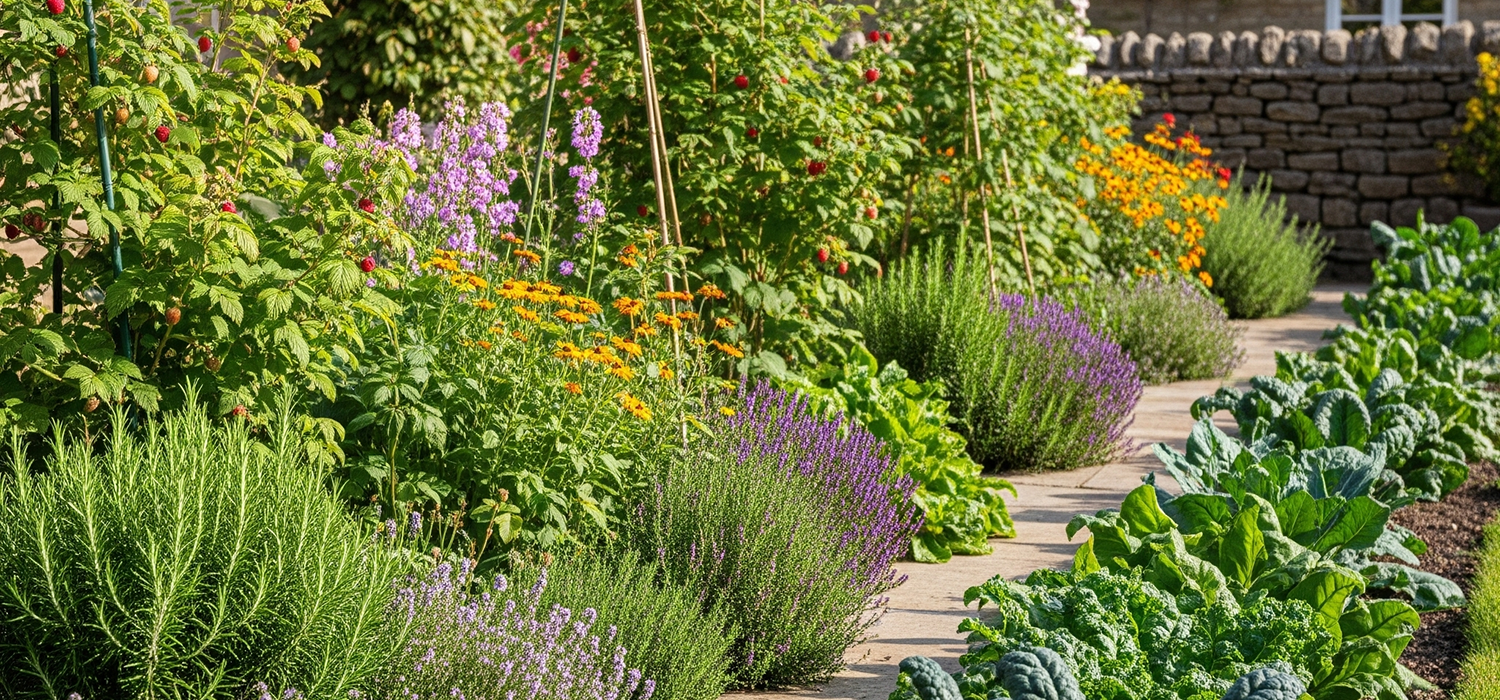
Why grow food in the back garden when your front yard can serve up salad and style? Edible landscaping (aka foodscaping) is the art of growing gorgeous, delicious gardens. Yes, it’s totally doable—even on a balcony.
If you have any questions about Garden Landscaping click here.
Edible landscaping isn’t your gran’s veg patch hidden behind the greenhouse. It’s a clever, stylish way to grow food right where you can see it—and enjoy it.
Instead of tucking away the tomatoes and lettuces, they take centre stage. Picture glossy chard nestled among your perennials or climbing beans draped across a pergola like living artwork.
The trick? Making food plants look good. Herbs edging pathways. Strawberries tumbling from hanging baskets. Even dwarf apple trees trained along fences.
It’s not just functional—it’s fabulous.
Beyond looking pretty, foodscaping packs a punch when it comes to sustainability. You're slashing food miles, cutting down packaging waste, and giving wildlife a boost with pollinator-friendly blooms.
Plus, there’s something undeniably satisfying about picking dinner from your own front garden.
Every plant earns its keep. A rosemary bush scents the air, flavours your roast, and keeps pests at bay. Nasturtiums add a peppery kick to salads and deter aphids.
The idea is to choose plants that do more than just sit there looking pretty.
Think of your garden as a layered cake. Groundcovers like thyme spread low. Mid-levels hold colourful lettuces and cabbages. Vertical space hosts climbing peas or grapevines.
It’s a space-saving tactic that also creates lush, vibrant visuals.
There’s no fresher snack than a warm tomato plucked straight from the vine. Growing your own means you know exactly what’s gone into your food—no mystery chemicals or long-haul transport.
Between digging, planting, and harvesting, foodscaping is a workout in disguise. Plus, pottering in the garden is a lovely way to unwind after a long day.
Why buy basil flown in from Spain when you can grow it in a windowsill pot? Every handful of homegrown herbs helps the planet breathe a little easier.
A pack of herbs at the supermarket might set you back £1.50. Grow your own and you’ll have fresh flavour for months—at a fraction of the cost.
Mixing edible and ornamental plants creates a thriving habitat for bees, butterflies, and other garden guests. It’s like a buffet for pollinators.
Most edibles are sun-lovers, so watch where the light lands during the day. As for soil, well-drained, crumbly earth is ideal. You can pick up a basic soil test kit from any garden centre.
Make sure your plants can get a good drink without sitting in soggy soil. If you’ve got drainage issues, raised beds or pots are a good fix.
Don’t be shy—let your front garden show off. Use compact fruit trees, lavender borders, and chic planter boxes filled with herbs.
Neighbours will be asking where you got your landscaping done (and maybe if they can have a nibble).
In the back garden, there’s usually more space to play with. Think raised beds, structured potager layouts, or trellised climbers along fences.
Even a tucked-away corner can become a productive, beautiful patch.
A garden full of greens? Boring. Throw in rainbow chard, purple basil, feathery fennel, and deep red lettuce for a visual feast.
Hard landscaping gives your garden structure. Gravel paths, stepping stones, and wooden benches make it inviting and easy to maintain—perfect for Sunday morning coffee among the cucumbers.
Tuck them into borders or grow them in pots. They’re low-maintenance, look lovely in bloom, and deliver a sweet harvest in summer.
Short on space? Go for dwarf varieties in containers. Espalier them along a wall for both beauty and practicality.
Herbs are the unsung heroes of foodscaping. They’re easy, evergreen, and incredibly versatile. Place them where you’ll brush past for bursts of scent.
These blooms add charm to your beds and colour to your plate. Plus, they’re great for encouraging bees into the garden.
Rocket, radishes, carrots, and lettuce offer fast-growing, tasty returns. Their colourful leaves can be just as decorative as flowers.
Keep it natural. Companion planting, neem oil, or a splash of soapy water can keep pests at bay without harming helpful bugs.
A compost bin is a foodscaper’s best friend. Feed your soil with kitchen scraps, and it’ll feed your plants right back.
Water early in the morning to avoid evaporation. Use collected rainwater if you can, and give plants a gentle feed with liquid seaweed or compost tea every few weeks.
Pick little and often. It encourages more growth and keeps the garden tidy. Re-seed every few weeks for continuous crops and fresh visuals.
Edible landscaping is gardening with purpose. It turns your outdoor space into something both beautiful and bountiful.
Whether you’ve got a balcony, courtyard, or sprawling lawn, foodscaping brings flavour to your flowers and meaning to your mulch.
Give it a go—your plate, your wallet, and your planet will thank you.
If you have any questions about Garden Landscaping click here.
Other articles our customers have found useful:

