

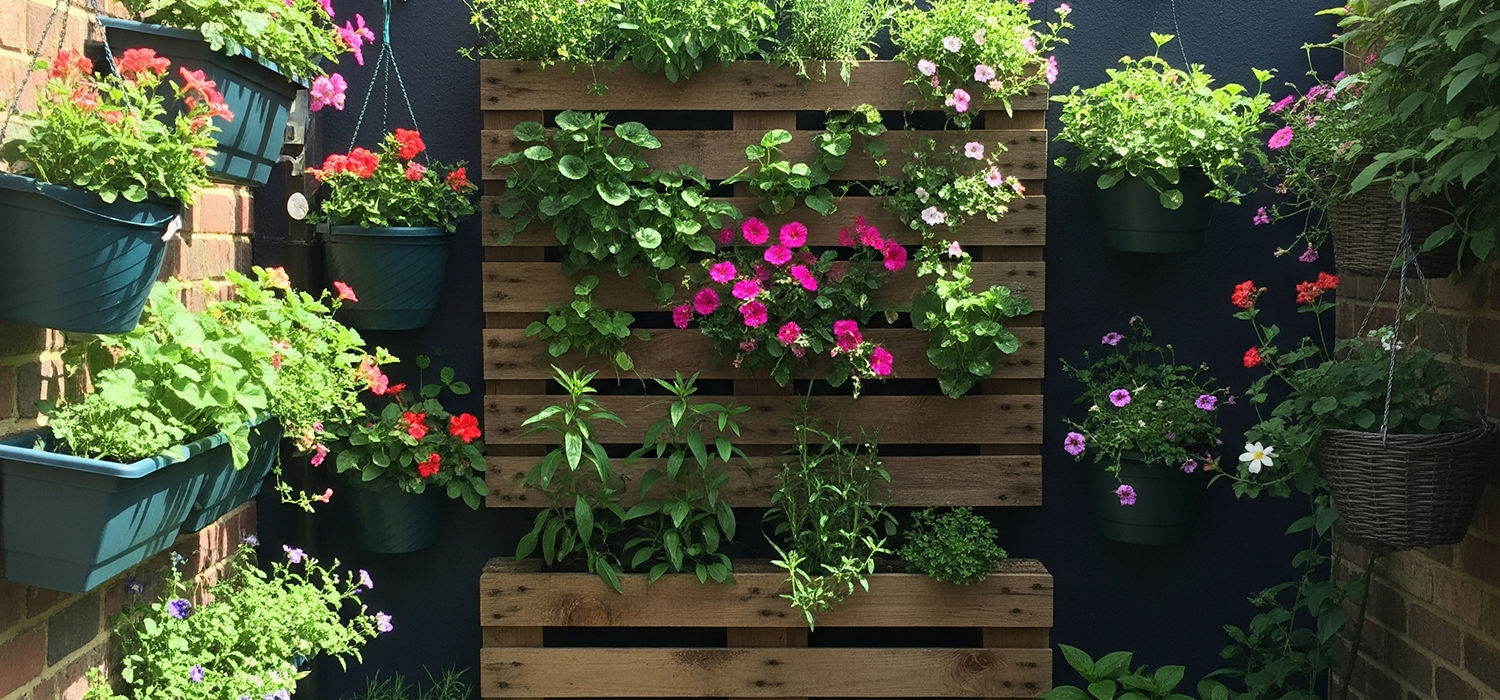
Running out of garden space? Go up, not out! Vertical gardening is the fun, space-saving fix for balconies, patios, and pint-sized plots. Short answer? It’s the smartest way to grow more in less space. Curious how? Keep reading! If you have any questions about Garden Landscaping click here.
Imagine growing herbs, flowers or even strawberries up a wall. That’s vertical gardening—using fences, trellises, and clever structures to grow upwards, not outwards. It flips traditional gardening on its head by transforming empty vertical surfaces into green, productive zones.
Urban homes don’t always come with sprawling gardens. Vertical gardening lets you make the most of balconies, patios, or even a sunny wall beside the back door. It’s a lifeline for city dwellers who want greenery without giving up precious floor space.
In tiny gardens, every inch matters. A vertical setup lets you stack your greens, herbs or blooms so you're making use of space that would otherwise be wasted.
No more crouching or bending over muddy beds. With planters raised to eye or waist level, gardening becomes less of a chore and more of a joy—especially for those with mobility issues.
Vertical gardens can be show-stoppers. Think cascading petunias on a trellis or a wall of fragrant herbs. They add texture, colour and structure, often turning a drab fence into your garden’s centrepiece.
Modular planters and hydroponics bring a sleek, modern vibe to your space. These living walls often come with built-in irrigation and are perfect for those aiming for a bold, statement look.
Not everyone wants to splash out on a professionally installed living wall. Fortunately, DIY versions—using felt pocket systems or wooden crates—offer creative and affordable alternatives that still pack a punch.
Picture a tower of strawberries, each layer getting watered from the top down. That’s the beauty of a self-watering planter—ideal for patios and small paved spaces.
Got a sloped garden? Terraced beds turn that incline into a tiered oasis, giving every plant its moment in the sun while managing water flow smartly.
An old shoe organiser or wooden pallet can be reborn as a quirky herb garden. It’s eco-friendly, wallet-friendly and incredibly satisfying.
These are brilliant for families or beginners. Imagine nipping outside to grab a handful of mint or a few sweet strawberries from a wall beside your kitchen—simple pleasures, grown vertically.
Climbing crops like beans, peas or tomatoes love a good trellis. Not only does this lift them off the ground, it improves airflow and sun exposure too.
When your plants grow up rather than out, they don’t compete for floor space. The result? Bigger, healthier yields in a smaller footprint.
Salad leaves, herbs like basil and chives, and strawberries are all lightweight, quick-growing and ideal for vertical planters or hanging pockets.
Go for dwarf or bush varieties that don’t sprawl. Cherry tomatoes in hanging pots or bush beans climbing a trellis can be both productive and pretty.
These plants love to tumble down planters or baskets, adding movement and colour. Ideal for brightening up bland walls or fencing.
In sunny spots, drought-tolerant succulents like sedum are low-effort and high-impact. They're especially handy for forgetful waterers.
Always match plants to the amount of sunlight your space gets. South-facing walls suit sun lovers, while shaded corners are best for ferns or moss. Vertical gardens dry out quickly, so consider irrigation or self-watering options.
Spend a day tracking the sun across your space. This helps you choose the right spot—and the right plants—for your vertical garden.
Drip irrigation can take the hassle out of daily watering. For smaller setups, consider self-watering planters with built-in reservoirs.
Use light, moisture-retaining compost. Add coir or vermiculite to keep things airy and hydrated. And don’t skimp—quality soil makes all the difference.
Vertical gardens often need more watering than ground beds. Little and often works best. Pair with a liquid feed every couple of weeks to keep things thriving.
Airflow is usually better in vertical gardens, but pests still find a way in. Keep an eye out and act fast—early treatment is key.
Don’t be shy with your scissors. Regular pruning encourages growth, and frequent harvesting keeps herbs and edibles coming back for more.
Vertical gardening isn’t just a trend—it’s a clever, sustainable way to turn tight spaces into green sanctuaries. Whether you’re growing salad on a balcony or building a flower wall beside your shed, going vertical makes your garden work smarter, not harder. So grab a trellis, repurpose a pallet, or build a tower—and start growing upwards today.
Other articles our customers have found useful:

