

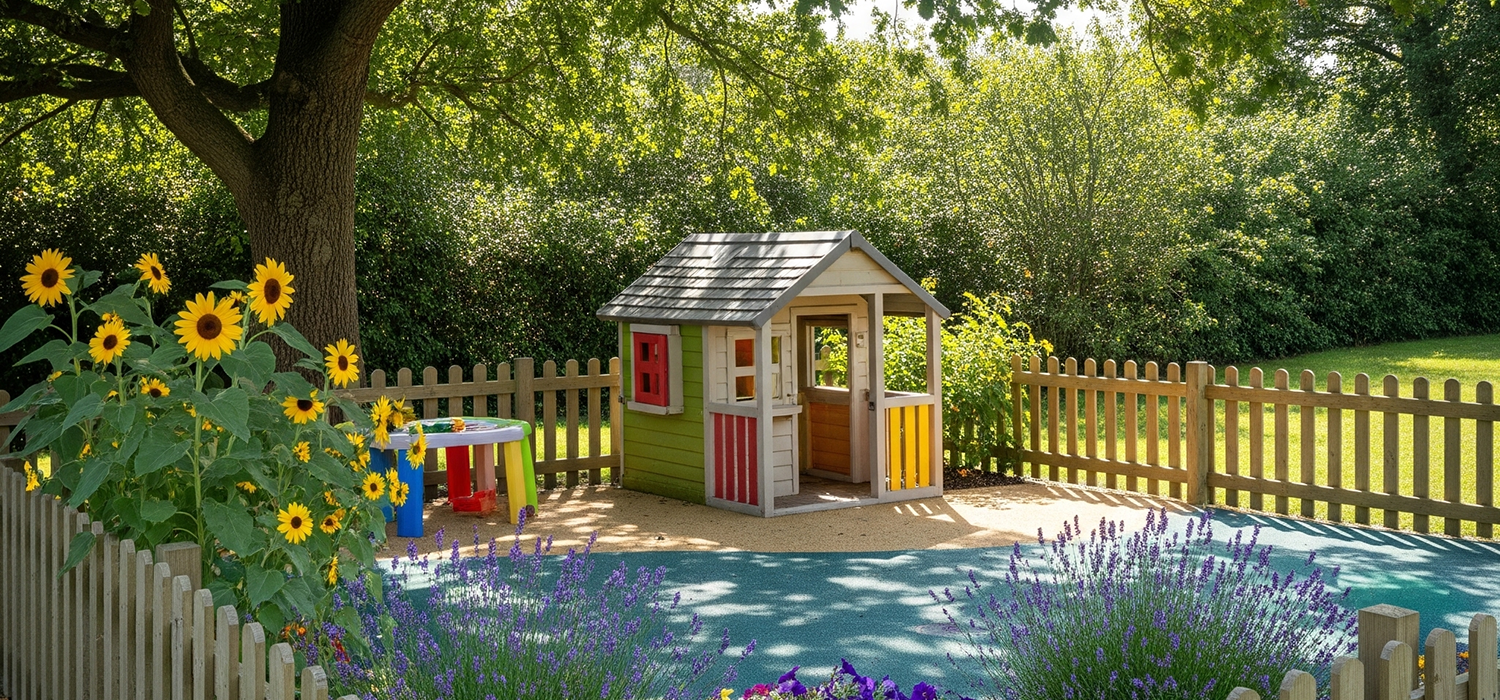
Tired of yelling “Don’t eat that!” every five minutes in the garden? Here’s your short answer: use non-toxic plants, soft surfaces, and smart zoning. Designing a safe garden for kids and pets is easier than you think—read on for practical tips! If you have any questions about Garden Landscaping, click here.
A garden should be a place of laughter and exploration—not plasters and panic. Thoughtful planning helps you avoid those nasty slips, trips, and falls that can quickly put a dampener on family fun.
Imagine enjoying a cuppa while the dog digs and the kids play, all without a constant sense of dread. When your garden is genuinely safe, you can relax knowing everyone’s protected.
Children and pets thrive outside. A secure garden gives them the freedom to explore, get messy, and learn without the worry of danger lurking around every corner.
Raised beds, rocky paths, or awkward steps might seem harmless to adults, but they’re prime tripping hazards for little ones and curious paws. Smooth things over—literally.
Avoid products that come with a warning label. If it’s unsafe to ingest or touch, it’s not ideal for a family garden. There are gentler, organic options that do the job.
Plants like foxglove or yew may look pretty, but they’re far from child-friendly. Add to that wasps or nettles, and you’ve got a recipe for unhappy afternoons.
Paving that’s grippy underfoot is a must, especially in our wet British weather. Slate, rubber matting, or textured stone are great options.
Opt for surfaces with rounded or bevelled edges—less likely to cause cuts or bruises if someone takes a tumble.
Gravel may be trendy, but it's no friend to bare knees or curious toddlers. It can also become a snack for your dog. Best left out of the play zone.
Think of these as nature’s crash mats. Ideal under climbing frames or swings, they cushion falls and keep things safe.
A bored spaniel can jump higher than you'd think. Good fencing keeps pets in and worries out.
Measure twice! Make sure your fence is tall enough for your breed and close-boarded so no one can squeeze through.
Install child-proof locks that adults can manage but curious toddlers can't. Bonus points for gates that close automatically.
Play equipment should be as solid as your Sunday roast. Bolt it down or dig it deep—wobbly swings are not worth the risk.
Decking can be lovely, but also lethal when wet. Go for anti-slip boards and keep gaps narrow enough to avoid trapped toes.
Water draws kids and animals like a magnet. Keep ponds covered, fence around butts, and avoid any open containers altogether if you can.
Plants like lily, rhododendron, and laburnum are best admired from someone else’s garden. Don’t risk having them at home.
Choose marigolds, sunflowers, and lavender—they're cheerful, hardy, and won’t land you in A&E.
Kids love sensory plants. Try lamb’s ear (super soft) or mint (smells great and tastes even better).
Hardy plants like rosemary and ornamental grasses bounce back from heavy pet traffic.
If you’ve got prickly plants, place them well out of reach—preferably behind a barrier.
That said, a rose bush can double as a natural fence if you don’t want kids wandering into off-limits areas.
No ten-foot climbing wall for a toddler. Choose equipment suited to your child’s age and size.
Pop in a shade sail or plant fast-growing trees. Sun safety is just as important in the garden.
Include touchable textures and lovely smells—rosemary, mint, or textured grass can make your garden a sensory wonderland.
Train your dog to go in one spot. Use mulch or gravel for easy clean-up.
Some dogs just love to dig. Give them a pit with soft soil so they don’t destroy your flowerbeds.
Encourage pets to follow paths rather than trampling your prized blooms.
Create nooks under bushes or add a little kennel where your pet can cool down.
Try neem oil, garlic spray, or encourage ladybirds and hoverflies to keep pests in check.
Old-fashioned hand pulling or vinegar-based sprays do the trick without the risk.
Keep anything hazardous out of reach—locked cupboards or high shelves are your best friends here.
Use closed bins and avoid putting in cooked food or dairy that attracts rats.
No snacks left outside. What your child drops could turn into a mouse buffet.
Loose bolts? Wobbly gates? Check them regularly. Spot problems before they cause accidents.
Sharp tools should be kept locked away. A shed with a child-proof lock is essential.
Teach kids what’s safe to touch—and what’s not. And train pets to stay in their zones with positive reinforcement.
A safe garden isn’t just about fences and plants—it’s about peace of mind. With a little effort and thoughtful design, you can turn your outdoor space into a haven where kids and pets can play, explore, and grow—all while you enjoy the view with a well-earned cuppa.
Other articles our customers have found useful:

