

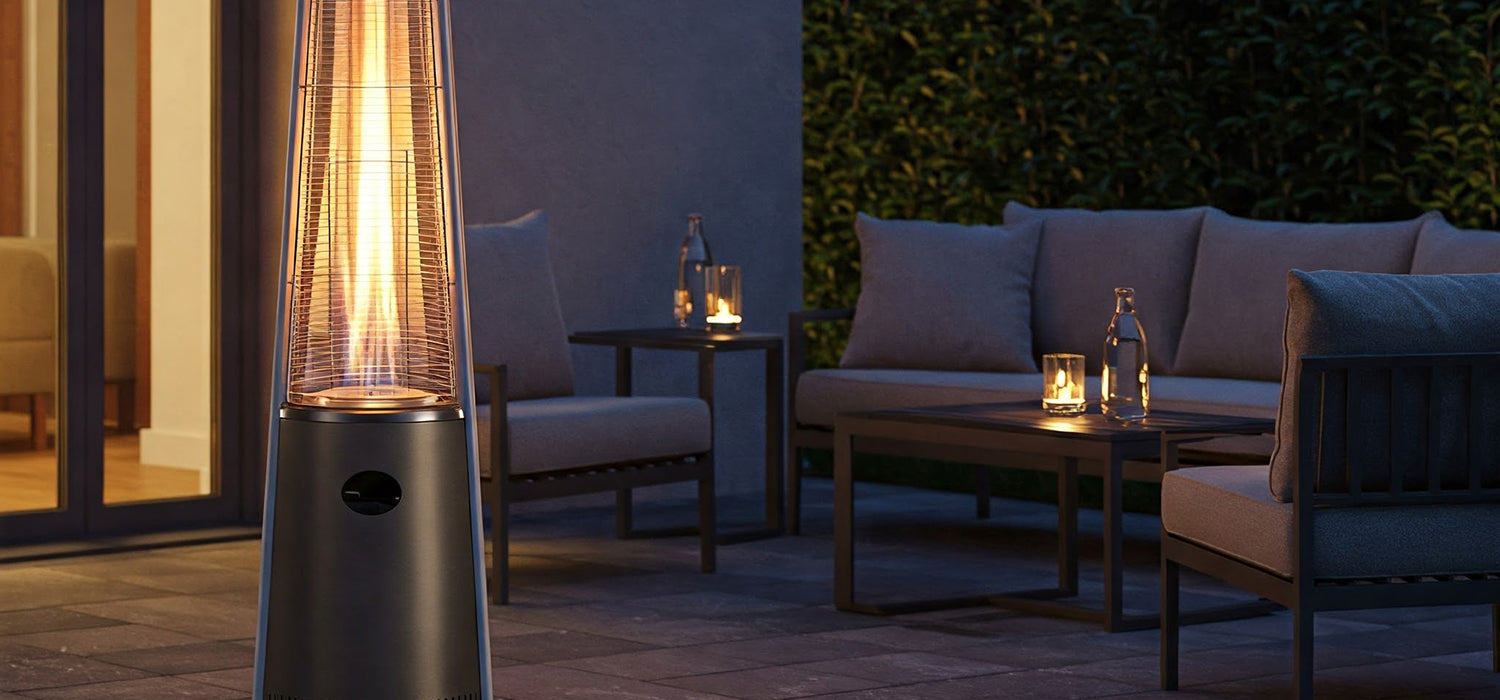
As garden heaters become a popular way to extend outdoor gatherings well into the cooler months, ensuring safety is just as important as staying warm. Fire, fuel, and furniture don't always mix well, but with a few precautions, you can enjoy your heater without the worry. Here's your essential guide to staying safe while basking in the warmth of your outdoor heating and firepits collection.
Using a garden heater is a fantastic way to make the most of your outdoor space, even when the weather’s taking a turn for the chilly. But as with any heating appliance, it’s essential to follow safety rules to prevent any unwanted accidents. Whether you’ve chosen electric or gas, each type has its own set of safety needs. Let’s explore the basics first, and then look at the specifics for each kind of heater.
When you’re dealing with fire and heat, it’s crucial to get the fundamentals right. These general safety tips apply to all garden heaters, no matter their fuel type.
Before you even plug in or light up, always read the manufacturer’s instructions. I know, it’s tempting to skip this part, but taking a few minutes to understand how your heater works is essential for avoiding any accidents. Every model has unique features and safety guidelines you should know about.
Now, this one’s a biggie. Heaters should never be placed too close to anything flammable—this includes furniture, curtains, or even the roof of your pergola. Try to leave a safe gap of at least 1-2 metres between your heater and any nearby materials. This keeps the heat from building up and reduces the risk of something catching fire.
It’s easy to forget your heater’s on when you’re hosting a party or sipping a glass of wine. But leaving a garden heater running unattended is one of the most dangerous things you can do. Always keep an eye on it, especially if you’ve got kids or pets around.
Imagine this: You’ve just set up your heater on a slightly wobbly decking board. All seems fine until a gust of wind or a sudden movement sends it toppling over. Always make sure your heater is standing firmly on a level, stable surface. No one wants a flaming heater rolling away across the garden!
Electric heaters are generally seen as safer than their gas counterparts, but that doesn’t mean they’re completely risk-free. Here are a few things you should keep in mind when using electric models.
If your outdoor socket is a bit far from your heater, make sure you’re using an outdoor-rated extension cord. These cords are specially designed to handle exposure to the elements and reduce the risk of electrical shock. Never use a regular indoor extension cord outside—it's a recipe for disaster!
You know how wet weather can pop up out of nowhere, right? Well, electric heaters and water definitely don’t mix. Unless your heater is explicitly marked as waterproof, keep it dry! Heavy rain can cause an electrical short or worse, so always make sure your heater is covered or stored indoors when the weather takes a turn.
Before every use, take a quick look at your heater’s power cord. Is it frayed or damaged in any way? If so, it’s time to replace it. A damaged cord can spark a fire or cause an electrical shock, so it’s always better to be safe than sorry.
Gas heaters pack a punch with their heat output, but they come with their own set of safety risks. If you’re using a gas heater, here are some vital precautions to keep you safe.
It’s a no-brainer, but it’s always worth repeating: check for gas leaks before every use. You can do this by turning on the gas and then smelling around the connection points. If you detect any hint of gas, turn off the supply and resolve the issue before using the heater. If you can smell gas, you’re already in danger—take immediate action!
Gas heaters require good ventilation, especially in spaces that are partially enclosed, such as a gazebo or under a pergola. Poor ventilation can lead to dangerous carbon monoxide build-up, which is deadly. Always make sure there’s plenty of airflow in the area, and avoid using gas heaters in completely enclosed spaces.
If your heater uses a propane tank, storage is key. Never store gas bottles inside your home or shed, especially not near the heater. Always store them upright, outdoors, and away from direct heat or flames. Propane tanks need to breathe, so ensure they're in a well-ventilated area.
Heaters can attract curious minds, especially children and pets. So, it’s crucial to implement extra precautions to keep everyone safe while you enjoy the warmth of your garden.
As much as kids and pets love to explore, they should always maintain a safe distance of at least 1-2 metres from the heater. This not only prevents burns but also keeps them from knocking the heater over. A safe distance is key to ensuring everyone has a great time without any accidents.
It’s never too early to start teaching kids about safety around heaters. Talk to them about the dangers and set clear rules, like “no touching” and “stay away from the heater.” The more they understand, the safer they’ll be. Plus, it’s a great way to instil good safety habits that they can carry into adulthood.
By following these simple yet effective garden heater safety tips, you can keep your outdoor gatherings cosy and accident-free. Whether you're enjoying a chilly evening under a pergola or hosting a family BBQ, these precautions will ensure that you can relax and enjoy the warmth without the worry. Stay safe, stay warm, and enjoy your garden all year round!
Other articles our customers have found useful:

