

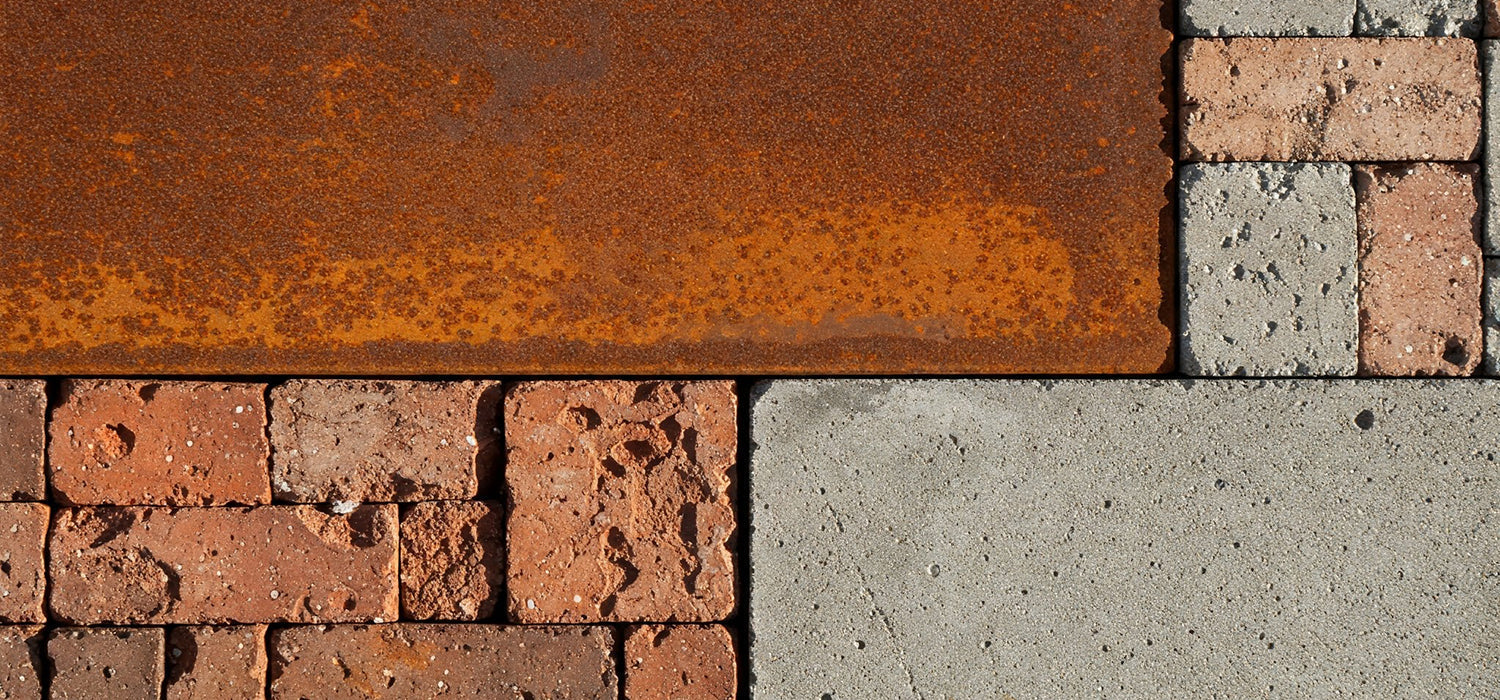
Tired of fire pits that rust faster than your BBQ skills? 🔥 Short answer: stainless steel and stone are your best bets for tough, weatherproof fire pits. Want the full breakdown (and a few surprises)? Explore the pros, cons, and sizzling options in our Outdoor Heating and Firepits Collection.
A fire pit isn’t just a weekend treat—it’s the heart of your garden after sunset. Whether you’re sipping mulled wine with friends or roasting marshmallows with the kids, it needs to do more than look good.
In Britain, where the weather can flip from sun to storm in a single afternoon, durability matters. Choosing the right material isn’t just about style—it’s about making sure your fire pit still looks and works brilliantly, season after season.
Let’s walk through the best fire pit materials and find out what’s really worth your investment.
Steel fire pits are a popular choice, especially for modern gardens or anyone looking for style on a budget.
Think of steel as the dependable friend who shows up on time—but needs a little encouragement to stick around for the long haul.
Steel heats up quickly and radiates warmth beautifully. It can be shaped into sleek, contemporary designs and comes in powder-coated finishes that help protect against rust.
Plus, it's lightweight enough to move around your garden (without calling in reinforcements).
The downside? If you opt for uncoated or thin steel, it can start to rust if left out in the rain.
A quick wipe down, a protective cover, and the occasional rust-resistant spray will keep it in top form.
Real tip: Go for thicker-gauge steel if you want it to last longer and handle heat like a champ.
If you live near the coast, or your garden sees more wet than dry, stainless steel might be your fire pit soulmate.
Unlike standard steel, this material is built to resist rust—even when the British weather does its worst.
It’s also easy to clean, which is a bonus after a night of ash and snacks.
The designs are often minimalist and elegant, ideal for modern patios and outdoor kitchens.
Stainless steel tends to come with a higher price tag. But think of it as an investment—less rust, less faff, and more years of fireside chats.
Over time, some discolouration might occur from the heat, but it doesn’t affect performance.
Looking for something with old-world charm and proper weight? Cast iron is the traditionalist’s pick—heavy, hardy, and made to last.
Once cast iron gets hot, it stays hot. It’s brilliant for those long, slow-burning fires that last deep into the night.
Its rustic, chunky look suits country gardens or classic-style patios beautifully.
Here’s the catch: it’s heavy. You won’t be dragging it across the lawn without some effort.
And like your favourite cast iron frying pan, it needs seasoning—regular oiling or a rust-resistant coating to keep it in shape.
Keep it dry when not in use, and it’ll serve you for years.
If you’re going for timeless, permanent, and impressive—stone or concrete fire pits might be your match.
These are the statement pieces that turn your garden into an outdoor living room.
Stone and concrete can handle wind, rain, and heat without blinking. They don’t warp, melt, or rust.
They’re also customisable—especially concrete—so you can tailor the shape, size, and finish to your garden style.
But they’re not exactly portable. Once it’s in place, it’s in place.
Concrete, in particular, needs proper sealing. If water seeps in and freezes, it could cause cracking over time.
Top tip: seal it well and cover it over winter to keep it looking pristine.
Copper fire pits are a bit of a showstopper. They're the kind of thing guests ask about before they've even sat down.
Copper is naturally weather-resistant and develops a stunning greenish patina over time. Some people love that aged look—it adds character and charm.
It also conducts heat well, meaning it warms up quickly and looks good doing it.
On the downside, copper doesn’t come cheap. And if you prefer the shiny look, you’ll need to polish it now and then to keep that gleam.
But if you’re happy with its natural evolution, it will age gracefully with minimal effort.
When it comes to fire pit materials, there's no one-size-fits-all. It depends on your climate, garden style, and how much effort you’re willing to put into upkeep.
If you want something ultra-durable and weather-resistant, stainless steel and stone are solid choices.
For charm and heat retention, cast iron and copper deliver in spades—with a little extra care.
Steel and concrete strike a balance between cost, customisation, and performance.
Whatever you choose, regular maintenance, the right placement, and a good cover can extend the life of your fire pit and keep it looking great all year round.
Ready to find your perfect match? Explore our full [Outdoor Heating and Firepits Collection] for weatherproof options that bring the heat—come rain or shine.
Other articles our customers have found useful:

