

British skies are full of surprises—one moment you’re sipping tea in the sun, the next you’re running for cover, dragging soggy cushions behind you. The short answer to saving your luxury garden furniture from ruin? Use proper covers, smart storage, and protective treatments. Stick around for real-world tips, clever product advice, and seasonal strategies that’ll keep your outdoor setup looking top-notch, rain or shine.
Rainwater and wooden furniture don’t mix well. Even sturdy hardwoods like teak and acacia will eventually show signs of swelling, warping, or even rotting if left unprotected. It’s not just unsightly—it can lead to wobbly chairs and cracked tabletops. A bit of oiling or sealing goes a long way in saving you from costly replacements.
Got metal furniture? Don’t assume it’s safe. Steel and iron may be solid, but rain can invite rust faster than you’d think. Those little orange patches aren’t just ugly—they weaken the structure over time. Once corrosion sets in, reversing the damage can be a headache.
Damp cushions? Welcome to mildew central. Letting rain soak into your seating creates the perfect breeding ground for musty smells and unsightly mould patches. It’s more than just an aesthetic issue—it can be bad for your health, too.
Even the toughest materials start to fade and crack when exposed to relentless rain and UV rays. Colours lose their vibrancy, rattan weaves sag, and finishes peel. Suddenly, your sleek garden setup looks more shabby than chic.
Protecting your furniture from rain isn’t just smart—it’s stylish. With a little seasonal care, your luxury garden furniture stays looking fresh, polished, and ready for guests. Plus, maintaining your pieces means you’re not shelling out for new sets every couple of years. That’s better for your wallet—and the planet.
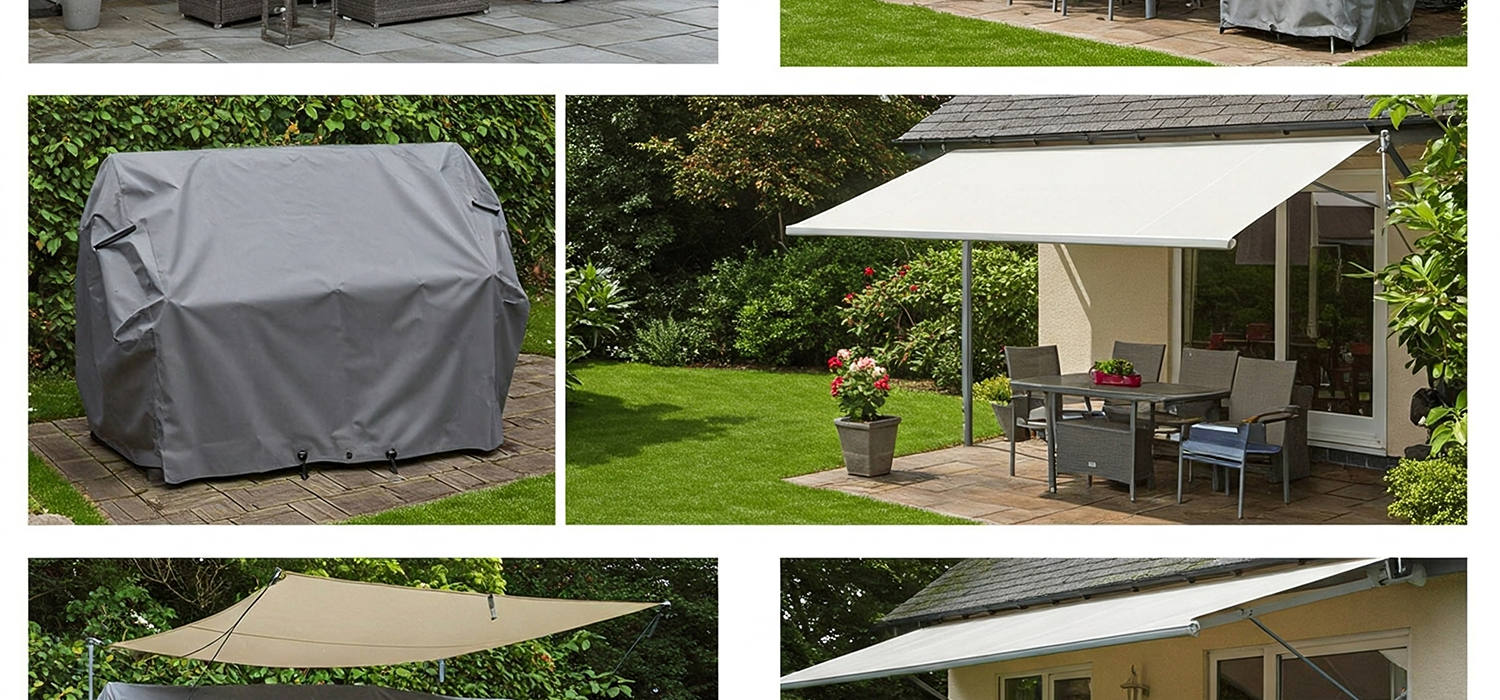
Skip the flimsy tarps. Choose tailored covers made from waterproof, breathable fabric with UV resistance built in. These gems don’t just keep the rain off—they let condensation escape, which prevents mildew from forming underneath. The snug fit keeps the wind from whipping them away.
Look for furniture covers with strong ties, clips, or drawcords. There’s nothing worse than finding your cover halfway across the garden after a gusty night. Secure it properly, and you’ll sleep easy, even during a storm.
It’s tempting to throw a cover on in a hurry, but always dry off your furniture first. Trapping moisture beneath a cover is like sealing in trouble. A quick wipe-down makes a big difference.
Wooden furniture loves a bit of TLC. Apply teak oil or a clear varnish once or twice a year, depending on the product. It’ll protect the grain and stop rainwater soaking in. Think of it as sunscreen for your outdoor table.
Give metal frames an edge with rust-resistant paint or a light wax coat. Aluminium might shrug off water, but iron and steel need extra armour. A quick seasonal touch-up can keep rust at bay.
Every treatment comes with its own rules. Follow them! Whether it’s once a year or every few months, staying on schedule keeps your protection intact.
A bit of overhead cover can work wonders. Pergolas, retractable awnings, or even a sturdy umbrella can shield your setup from sudden showers. They also make your garden more usable year-round.
No pergola? No problem. Pop-up canopies are great for renters or anyone needing flexible coverage. Set one up when the weather turns, and pack it away when the sun returns.
Rainwater pooling around furniture legs is a fast track to rot and rust. Set your furniture on paving stones, decking, or small risers to keep it off soggy ground. Proper drainage beneath the furniture helps avoid long-term damage.
Some woods are just built better. Teak, cedar, and redwood are naturally resistant to moisture and insects. They’re a bit pricier, but worth it for the long haul.
Even the best woods benefit from a protective layer. Keep up with annual oiling or sealing to repel moisture and maintain their rich colour.
Synthetic rattan is a garden staple for a reason—it holds up well in British weather. Still, using covers helps maintain its shape and prevents fading. It’s low maintenance but not invincible.
Natural rattan needs babying. Store it indoors when not in use or keep it under a covered area. Left in the rain, it’ll absorb water, soften, and potentially mould.
Aluminium is a solid choice for all-season use. It won’t rust and dries quickly, making it perfect for the unpredictable UK forecast.
Heavier metals bring a classic look—but they need regular upkeep. Rust-proof paints and annual waxing go a long way in keeping them fresh.
Outdoor cushions are getting smarter. Look for water-repellent fabrics and quick-dry foam filling that can handle a bit of drizzle without becoming a soggy mess.
Still, the safest move is to store cushions indoors or in a waterproof storage box. One unexpected downpour and your cushions could stay damp for days.
Dust, bird droppings, and garden debris can wear down protective layers. A quick clean every couple of weeks with mild soap and water keeps things looking fresh and functioning well.
Give everything a once-over at the start and end of each season. Loose joints, chipped paint, or frayed fabric are easier to fix early than replace later.
When winter rolls in, give your furniture a proper break. Move it into a dry shed, garage, or conservatory if you can. You’ll protect it from harsh cold snaps, frost, and extended dampness—and be rewarded with a spotless setup come spring.
Other articles our customers have found useful:

