

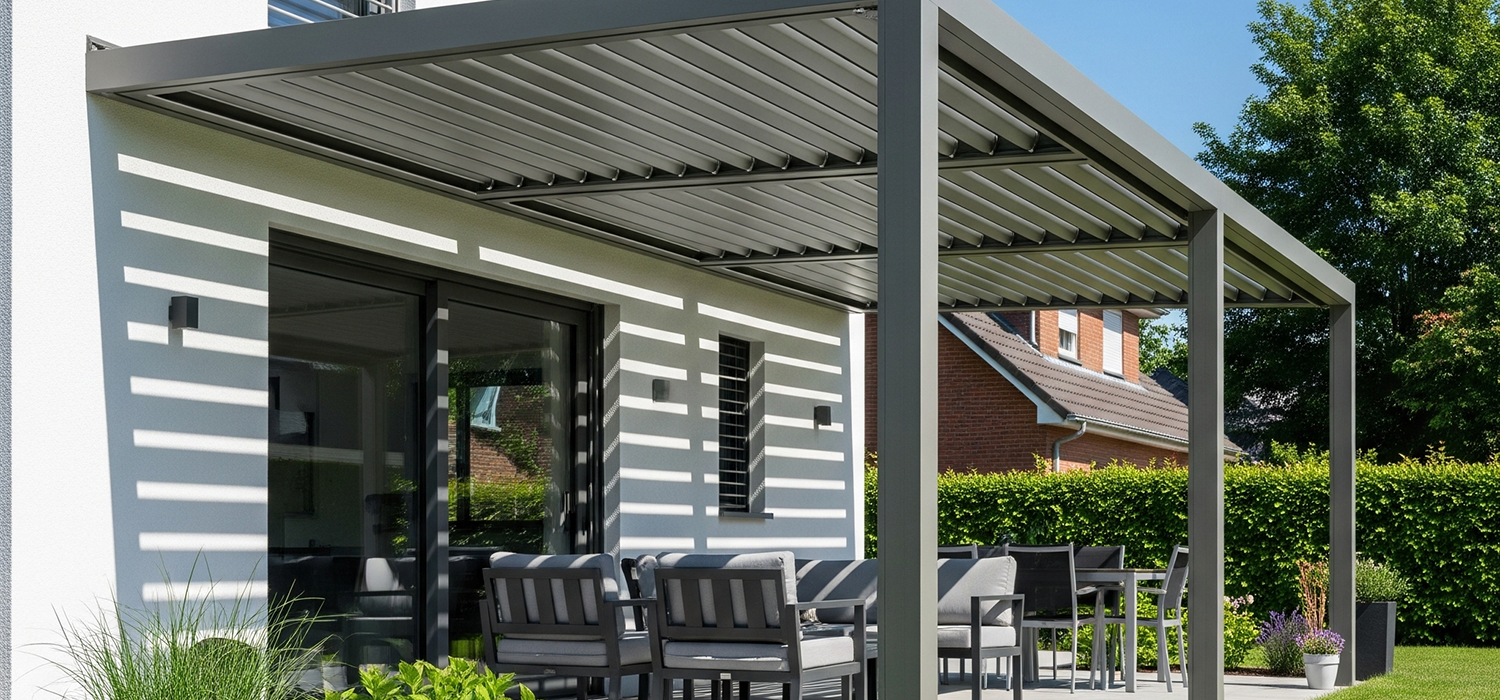
Thinking of attaching an aluminium pergola to your home? The short answer: yes, you can—but only if you follow UK rules on height, fixings, and planning. Keep reading to avoid costly mistakes, navigate legal hoops, and create a garden masterpiece that’s both stylish and above board!
Attaching a pergola is a brilliant way to transform your outdoor space. Aluminium pergolas, in particular, offer a sleek, modern look that’s durable and low maintenance. But before you start drilling into walls or fixing posts, it pays to get the legal side sorted. UK regulations might seem daunting, but with the right info, you’ll build something beautiful and fully compliant.
Pergolas aren’t just bolted onto houses. You might want to attach yours to a garage, outbuilding, or even a sturdy fence. The rules cover all these bases. Your pergola’s attachment point makes a difference — brick walls, timber frames, or metal fences each have their quirks when it comes to securing your structure safely.
It’s not just about red tape. These rules exist to keep your garden safe and your neighbours happy. Imagine building a pergola that leans dangerously or blocks your neighbour’s sunlight—that could spark a dispute or even legal trouble. Following the guidelines protects your property, your wallet, and your peace of mind.
UK permitted development rights often let you build pergolas without planning permission. But only if you stick to the rules.
If your pergola is within two metres of a boundary, it can’t be taller than 2.5 metres. That’s roughly the height of a tall adult plus a little extra! For spots further away, there’s more flexibility, but always double-check with your local council.
No one likes a garden trespasser. Your pergola must respect boundaries and not encroach on your neighbour’s land or public paths.
Pergolas, combined with sheds and other structures, shouldn’t cover more than half of your garden area. It keeps gardens feeling open and airy rather than cramped.
If your pergola attaches directly to your house, measurements start from your home’s original walls and garden lines. This keeps extensions in check and prevents oversized add-ons.
Open lattice roofs are generally fine and fit neatly into permitted development rules. Solid or retractable roofs, though, might mean you’re building something closer to a conservatory — which usually needs planning permission.
Before attaching anything, check the wall. Is it solid brick, cavity, or timber framed? Each needs different fixings.
Solid walls provide a reliable anchor. Cavity walls are trickier and might require special bolts or plates. Timber frames? They’re flexible but need careful treatment to avoid damage.
If you’re thinking about fixing your pergola to the roofline, make sure the fascia or rafters can bear the load without damage.
Aluminium pergolas are fantastic for their durability but mixing metals can cause corrosion. Use corrosion-resistant fixings to keep everything looking sharp for years.
One often overlooked detail: water. Improper sealing around attachments can lead to damp patches and costly repairs. Flashing and sealants prevent water sneaking into your home.
If your pergola overshoots height or size limits, you’ll need to apply for planning permission. It’s better to ask first than face a stop order later.
Special locations come with special rules. In conservation areas or protected parks, expect tighter controls and extra scrutiny.
If your home is listed, attaching a pergola without consent is a no-go. Check with your local planning authority early.
Attaching pergolas to the front of your home is more complicated. They affect street views and often require planning permission.
If your pergola blocks light or views for neighbours, planning permission might be refused or come with conditions.
If your pergola touches a shared wall, the Party Wall Act kicks in. You’ll need to follow formal notice procedures.
You must notify neighbours in writing and wait for their consent or agreement to avoid legal complications.
Start with your local council. They can guide you through regulations and flag any issues before you begin.
For larger pergolas or tricky attachments, a structural engineer’s sign-off is invaluable. It keeps everyone safe and compliant.
A quick chat or letter to neighbours about your plans can save headaches later. Good fences make good neighbours — and good communication helps, too.
Ignoring the rules isn’t worth it. Enforcement notices, fines, or orders to dismantle your pergola can cost a lot more than doing it right the first time.
Attaching an aluminium pergola adds style and function, but it comes with rules. Knowing permitted development rights, respecting your property’s structure, and staying on the right side of planning laws means your garden upgrade will be a joy—not a headache. Build smart, build safe, and enjoy your new outdoor space with confidence!
Other articles our customers have found useful:

