

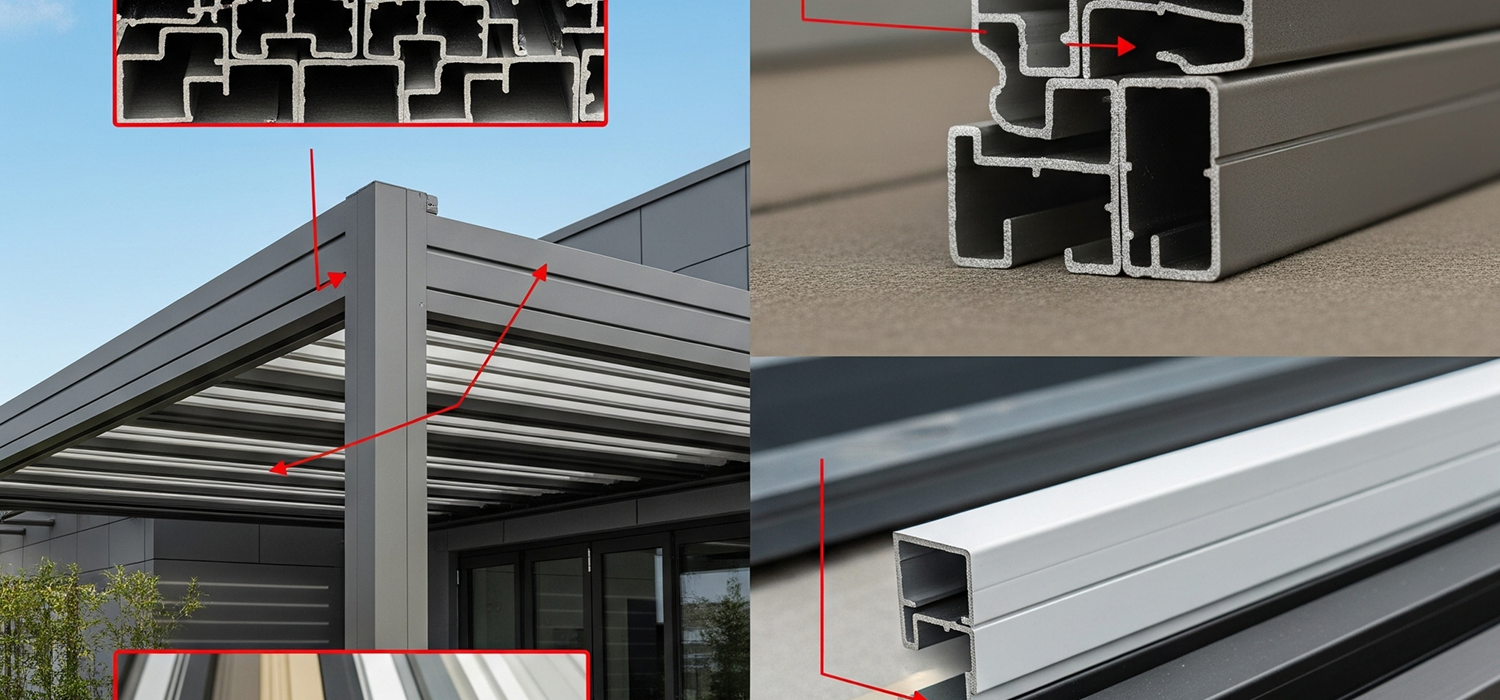
Thinking of levelling up your business patio? Aluminium pergolas are your best bet—sleek, sturdy, and nearly maintenance-free. But wood, vinyl, and composites bring charm too. Want the full breakdown on durability, style, and budget? Keep reading to find the best material match for your commercial space.
Choosing the right pergola materials for your business isn’t just about looks. It’s about weathering the elements, standing the test of time, and fitting in with your brand identity. After all, a stylish pergola can turn an empty patio into your most profitable square metres.
Let’s dive into the practical stuff—without putting you to sleep.
In a busy commercial setting, your pergola needs to be built like a tank—but hopefully not look like one. Aluminium offers superb longevity with zero rust worries. Treated hardwoods like oak or teak can last for decades too, provided they get a little TLC along the way.
Choose well now, and you’ll avoid costly rebuilds later.
No one wants to be up a ladder scrubbing beams every few weeks. That’s why materials like aluminium and composites are so popular—they’re practically self-sufficient. Timber, while beautiful, does demand a bit more attention, including sealing, sanding, or occasional staining.
If your staff already has their hands full, lean towards low-maintenance options.
A pergola should look like it belongs. If you’re running a chic café, that rustic timber frame might suit perfectly. But for a modern office terrace? Powder-coated aluminium with clean lines speaks the same design language.
Pick a material that mirrors your brand personality and matches the vibe you’re creating outdoors.
It’s tempting to go with the cheapest quote. But think long-term. While treated softwood may look like a bargain, ongoing maintenance could quickly wipe out the savings. Aluminium and composite materials offer better lifetime value—especially when you factor in lower repair costs and extended lifespan.
ROI isn’t just about spend—it’s about staying power.
Let’s face it, British weather is unpredictable at best. Your pergola needs to handle rain one minute and blazing sun the next. Aluminium won’t rust, polycarbonate panels keep the UV out, and treated timbers can take a beating—but only if properly sealed.
Choose based on your local weather patterns, not just the forecast.
Lightweight, strong, and sleek—aluminium pergolas are the favourite for a reason. They resist corrosion, come in any finish you fancy, and support modern features like integrated lighting and motorised louvers.
Perfect for restaurants, hotels, and rooftop bars where style and function need to work hand in hand.
Want that bold, industrial edge? Steel might be your answer. It's solid, dependable, and can handle tough conditions. But without regular coatings, rust will sneak in. Steel works best in urban spaces aiming for a rugged, architectural vibe—think converted warehouses or edgy beer gardens.
Timber has soul. There’s something about oak beams or treated pine slats that brings warmth and charm. It’s ideal for garden centres, nurseries, and countryside pubs wanting to blend with nature.
Just be ready for the upkeep. Mother Nature doesn’t let timber off easy.
If you want the timber look without the timber hassle, composites are your friend. Made from a mix of wood fibres and plastic, they’re durable, splinter-free, and great for eco-conscious businesses.
They’re a clever choice if sustainability matters to your brand but you still want that classic pergola feel.
Motorised aluminium louvers are a game changer. Want shade? Close them. Want sunshine? Open them. It’s that simple. These louvers add sophistication and allow for all-weather usability—great for extending trading hours in outdoor dining areas.
Need light without the leaks? Polycarbonate panels are lightweight, tough, and perfect for Britain’s moody skies. They offer UV protection too, which is great for cafés or play areas that need all-day comfort without sacrificing natural light.
Fabric adds softness and charm. It’s especially useful for seasonal spots or when you want a retractable solution. The lifespan might be shorter, but replacement is quick—and it’s an easy way to change up your look or branding colours seasonally.
A pergola should feel like a natural extension of your business. A minimalist law office won’t suit a country-style timber build, and a rustic vineyard probably shouldn’t go for a sharp-edged aluminium frame.
Think of your pergola as branding—just outdoors.
If you’re by the coast, salt-laden air can be brutal—aluminium’s corrosion resistance is a big win here. Inland areas with heavy rain? You’ll need good drainage and rot-proof materials. Match your materials to your environment, not just your eye.
Don’t just compare sticker prices—consider the total cost. What does it cost to install? To maintain? To replace if it goes wrong? Aluminium tends to be pricier upfront, but it rarely lets you down. Timber might seem cheap now, but could turn pricey if poorly maintained.
A bit more today can save a lot tomorrow.
Final Thoughts
The best material for your commercial pergola depends on your goals. Want sleek and sturdy with little fuss? Aluminium pergolas are hard to beat. Looking for natural charm? Timber still has its place. Fancy a blend of both? Composites hit the sweet spot.
Whatever you choose, get the balance right between style, strength, and practicality—and you’ll create an outdoor space that doesn’t just look good, but works hard for your business too.
Other articles our customers have found useful:

