

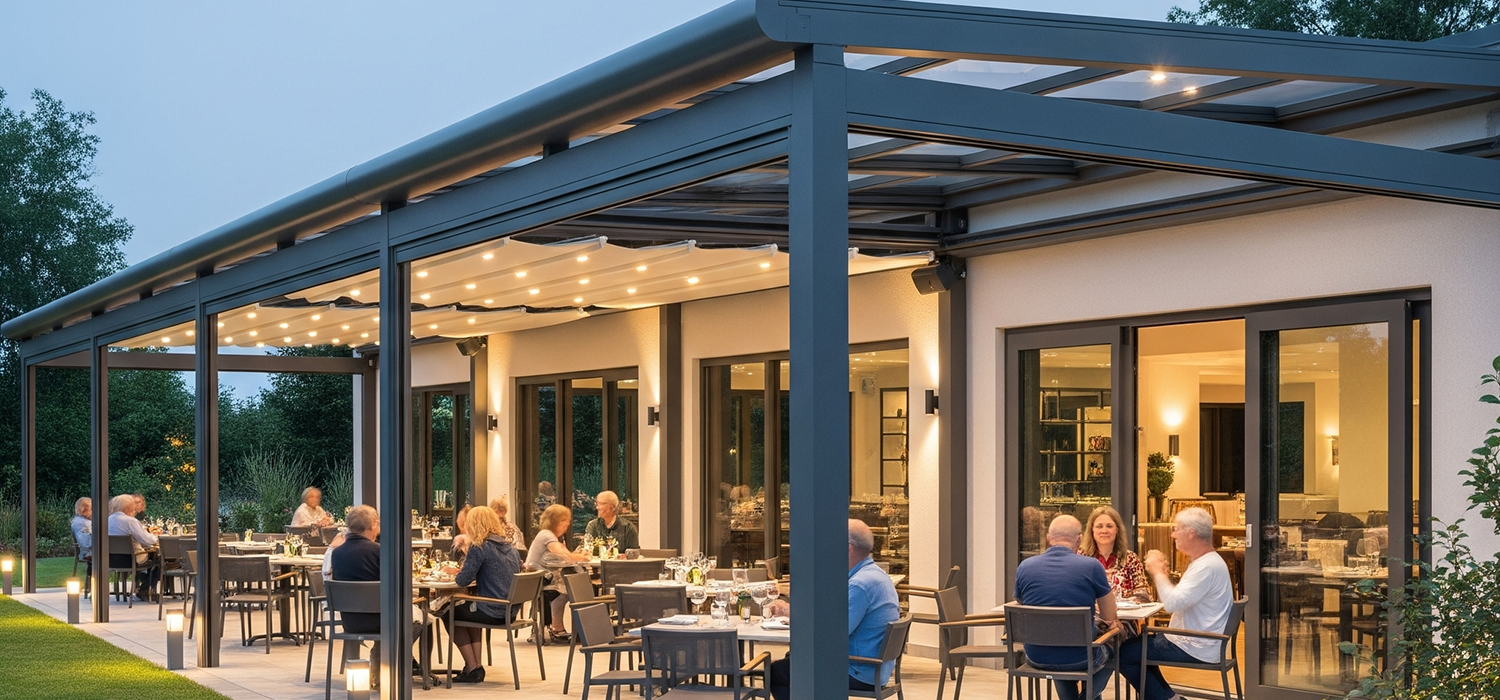
Can a pergola be raised higher? Yes, you absolutely can—whether you're chasing better shade, breezier vibes, or a grander look. From simple post extensions to full upgrades, even your aluminium pergola can level up. Curious how? Keep reading to raise the bar (and your pergola) the smart way!
When you picture a pergola, you might think of lazy afternoons, dappled sunlight, and perhaps a glass of wine in hand. But have you ever looked up and thought, “Could this go a bit higher?”
Whether it’s to unlock better views, let heat escape, or simply to show off a stunning garden structure, raising a pergola can make a big difference. And yes—it’s not just a style choice. Height has real practical perks too.
Let’s explore the “why” before we jump into the “how”.
Sometimes, the beauty of your garden is what’s beyond it—rolling hills, treetops, or that perfect sunset. A taller pergola helps frame the view instead of blocking it. You get more openness, a sense of freedom, and a touch of drama.
On hot summer days, the last thing you want is a stuffy corner outdoors. A taller pergola encourages airflow, letting warm air rise and drift away. It’s a clever trick, especially if your patio is a bit of a suntrap.
Thinking of installing a hanging swing chair? Or maybe a tall outdoor fireplace? A low roofline can really cramp your style. Raising your pergola gives you that extra breathing room to enjoy more design freedom.
Let’s be honest—height adds presence. A tall pergola becomes a statement piece. It elevates your garden design (quite literally) and makes your outdoor space feel more expansive and luxurious.
In most British homes, standard pergolas stand between 2.1m and 2.7m high. It’s a practical range that suits both function and regulations—tall enough to walk under, low enough to stay discreet near boundary lines.
Height changes everything. It affects shade angles, temperature control, and even how enclosed the space feels. Too low, and you lose ventilation. Too high, and you might miss out on proper shading.
Planning to raise your pergola? Brilliant. But before grabbing your ladder, you’ll need to think like an engineer. Stability and safety are non-negotiables here.
The taller your pergola, the more it becomes a wind magnet. It’s not just about height—it’s about leverage. A gusty afternoon could mean trouble if your structure isn’t anchored well.
To keep things solid, footings need to be deeper and wider. Especially with clay or soft soil, your pergola’s base should feel like it’s wearing hiking boots—not slippers.
If you’re going up, your posts need to grow out too. Thin posts might look elegant, but once height is added, they can flex or even bow. Go thicker for strength and peace of mind.
Each material tells a different story. Timber’s rustic charm works well but may need bulkier dimensions. Aluminium pergolas are sleek and modern—and often engineered to handle height better. Steel offers the ultimate strength but might not suit every garden's look.
Nobody wants a pergola that trembles with every breeze. Cross bracing, larger base plates, or lateral supports can make a world of difference. Stability is key to long-term enjoyment.
As you raise a structure, those upper joins become more important. Weak connections up top are a recipe for disaster. Make sure rafters and beams are snug, secure, and weatherproof.
Forget standard screws—this is a job for structural bolts, heavy-duty brackets, and perhaps a bit of metal reinforcement. Your future self will thank you during storm season.
For bigger projects—especially with aluminium pergolas—it’s smart to get professional advice. A structural engineer can run the numbers, so you’re not just building on hope.
In short: don’t skimp. The goal is to enjoy the space without constantly wondering, “Is that post leaning?” A pergola should add peace, not problems.
Now to the practical bit. If you’ve already got a pergola in place, here are three ways to raise it.
Splicing involves attaching new sections to the top of current posts using steel connectors. It's budget-friendly and quicker than a full rebuild, but you’ll need strong, hidden joins to keep it safe and pretty.
Matching timber colour or aluminium finish is key. You don’t want your extension to look like a dodgy add-on. Paint, sanding, or sourcing exact materials can help blend it all together.
This is the gold standard. Remove the old posts and replace them with taller, sturdier versions. Yes, it’s more effort, but it gives you a clean look and maximum structural strength.
You’ll need to prop up the roof while swapping the posts—timber braces or acro props will do the trick. It’s like playing Jenga, only less fun and with a roof over your head.
Raising your pergola by building a platform or base underneath it is an elegant workaround. It’s especially handy for sloped gardens or patios that need a little lift anyway.
Watch out for water pooling. Raised bases must be level, well-drained, and stable—otherwise, you’ll trade one problem for another.
Raising your pergola? Great. But don’t forget about how it looks once you’re done.
A tall pergola on skinny legs can look… awkward. Think proportionally. If you’re going up, consider beefier posts or adding width to balance things out.
A general rule of thumb: wider pergolas handle extra height better. A small square structure raised too high risks looking top-heavy or out of place.
Raise the roof and you might raise the sun exposure too. It’s great for light, not so great for lounging in the midday sun.
Aluminium pergolas often come with adjustable louvers—perfect for managing sun at any height. Alternatively, hang outdoor curtains or add retractable fabric panels for shade when you need it.
A three-metre pergola in a pocket-sized courtyard might feel overbearing. Always consider how your structure fits the landscape. Scale creates harmony.
Raising your pergola might expose you to next door’s upstairs windows. Add climbing plants, screens, or trellis panels to keep your space private and serene.
Last but definitely not least—make sure your raised pergola plays by the rules.
In the UK, pergolas under 2.5m high usually don’t need planning permission if built near boundaries. Raise it higher, and you’ll likely need approval—especially in conservation zones.
If your pergola overshadows or overlooks a neighbour’s garden, expect a few raised eyebrows (or complaints). Keep things respectful and check in with them beforehand if possible.
If you're adding serious height or changing the footprint, check with your local planning department. You might need a permit to avoid headaches later.
Some councils ask for engineering assessments for taller pergolas—especially with heavy materials like steel or complex designs. Don’t skip it; it’s worth the peace of mind.
Raising your pergola might seem like a small change—but the impact can be huge. Whether it’s about catching the breeze, showcasing your view, or adding space for that tall garden sofa, extra height brings new possibilities.
Just remember: structure first, style second. With a solid plan, a bit of clever design, and the right materials (hello, aluminium pergola!), you’ll have an outdoor feature that’s both beautiful and built to last.
And when the neighbours ask how you pulled it off? Just smile—and look down from your perfectly elevated garden throne.
Other articles our customers have found useful:

