

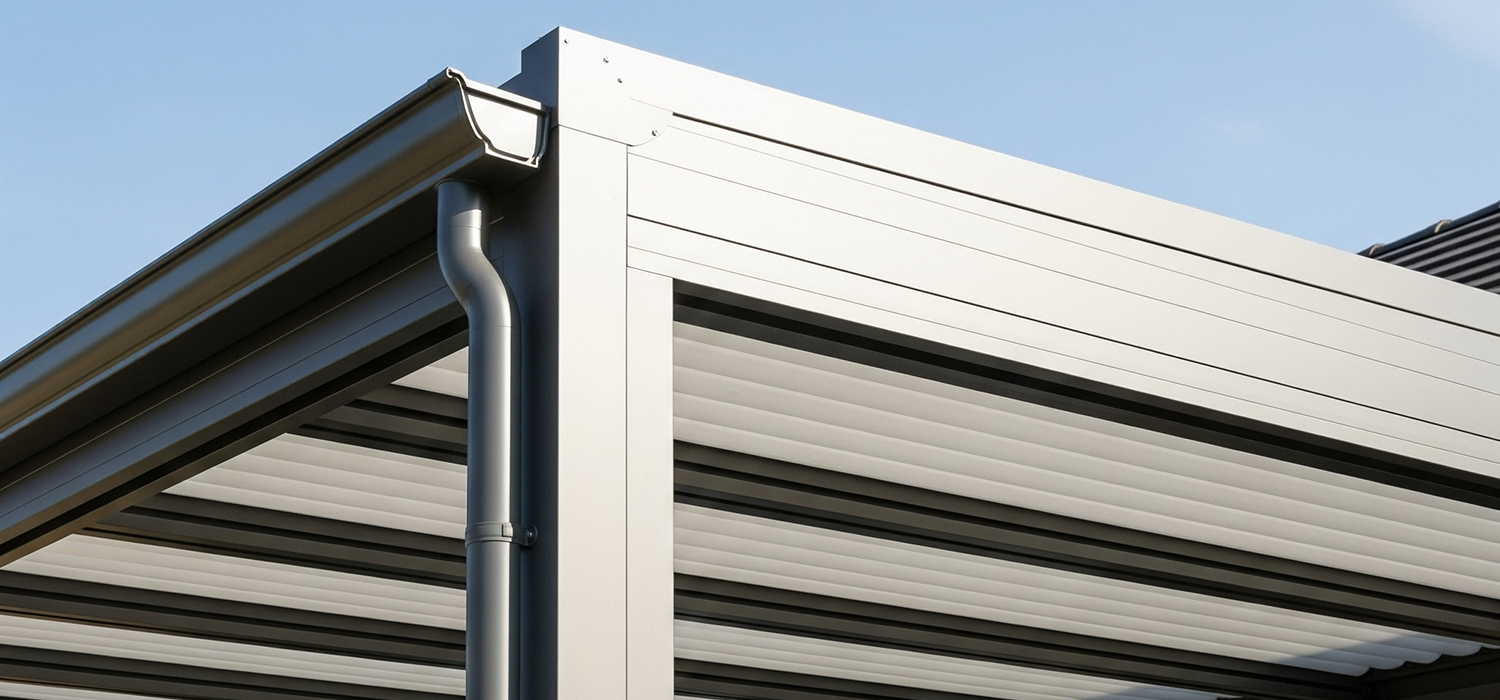
Think your garden can’t handle the UK’s wild winds? Think again. A quality aluminium pergola can withstand gusts up to 100 km/h—if installed properly. Want to know why some hold strong while others wobble like jelly? Stick around to discover what really makes a pergola wind-ready.
Let’s face it—British weather is as unpredictable as a two-year-old with a paintbrush. One minute it’s calm, the next your washing line is doing its best kite impression. And that same force can wreak havoc on outdoor structures like pergolas.
When the wind hits a structure, it doesn't just push. It lifts from underneath, drags from the sides, and can even twist components apart. That’s why understanding the mechanics of wind is crucial before you put up a pergola.
These aren’t just fancy engineering terms—they’re the culprits behind most structural failures in strong winds.
Lift pulls up on flat surfaces, like pergola roofs.
Drag pushes horizontally, trying to tip things over.
Torsion twists the frame, particularly in uneven gusts or around corners.
A good pergola design needs to account for all three, or it could be game over when the next storm rolls in.
A sleek, modern design might look fantastic on Instagram, but if it doesn’t manage airflow well, it won’t last long in a gale.
Designs that allow wind to pass through—like louvred or slatted roofs—help reduce pressure. Solid panels, while stylish, bear the brunt of wind forces. In short: airflow is your friend.
Aluminium is a bit of a show-off in the materials world. It’s lightweight, yet surprisingly strong—ideal for pergolas that need to be both stylish and structurally sound.
Unlike wood or steel, it won’t sag over time or require heavy supports to stay put. That’s especially helpful in windy zones where every gram counts.
Rain, sea air, damp mornings—typical British weather can be brutal on outdoor materials. Luckily, aluminium is naturally corrosion-resistant.
That means no rusty patches, no flaking, and no regular repainting just to keep it looking decent.
Have you ever bought timber that looked perfect… until it wasn’t? Wood can have hidden knots and splits that weaken it over time.
Aluminium doesn’t do that. It’s consistent all the way through, giving you peace of mind and long-term reliability.
When it comes to wind, not all pergolas are created equal. The difference often lies in the engineering.
The best pergolas are built to spread wind loads across the entire frame. If one part takes all the strain, it’s more likely to fail.
Good engineering = even stress distribution = longer lifespan.
Think chunky, not flimsy. Thicker posts and solid beams increase strength and reduce wobble in heavy winds.
Those slimline budget options? They might save a few quid upfront, but you’ll pay for it when the next storm hits.
Integrated, pre-engineered designs are more robust than self-assembled kits with multiple connectors.
Why? Fewer weak points. It’s like the difference between a single block of stone and a pile of Lego in a wind tunnel.
An aluminium pergola isn’t going anywhere if it’s bolted into a solid foundation. Concrete pads or piers are essential in exposed areas.
And no, screwing into garden slabs won’t cut it.
Rusty screws and flimsy bolts won’t survive a windy winter. Always go for stainless steel or other corrosion-resistant fasteners.
They’ll hold your structure tight, year after year.
Wind doesn’t just push—it lifts and shifts. A good anchoring system needs to prevent your pergola from being sucked upward or shunted sideways.
Straps, bracing, and high-tension bolts all play a part.
Louvred pergolas are clever. When the wind picks up, you can tilt the slats open and let air flow through. It’s like giving your pergola a pressure release valve.
Got a canopy? Don’t forget to retract it before a storm. Out of sight = out of the wind’s reach.
Many systems let you do this in seconds—ideal for those surprise squalls.
They look sturdy, but they take the full hit from wind. If you love the look, make sure the pergola is engineered for high loads—and definitely don’t cut corners on installation.
A pergola in a windswept coastal garden faces very different challenges than one tucked behind a stone wall.
If your space is exposed, plan for it.
Buildings, fences, and even hedges can reduce wind speeds significantly. These features act like buffers, easing the pressure on your pergola.
Some councils have strict rules about wind load ratings. Make sure your pergola meets local requirements—especially in high-risk zones like coastal areas or hilltops.
Wind ratings tell you how fast a gust can blow before your pergola throws in the towel. Most high-quality aluminium pergolas handle 80–120 km/h—well above average British wind speeds.
On the Beaufort scale, that’s around Force 10—enough to uproot trees and send bins flying. Not bad for a garden structure!
Yes, wind tunnels aren’t just for sports cars. Pergolas get tested too, in simulated storms that help fine-tune their design.
Look for compliance with standards like the Eurocodes. These codes ensure the structure meets minimum safety requirements for your region.
Avoid vague promises. Trust brands that publish real wind speed tolerances and show proof of testing.
Some pergolas are covered for storm damage—if installed to spec. Always read the warranty details before you buy.
Even the best materials will fail if they’re poorly installed. Always use professionals who know your local ground and weather conditions.
Check for loosened bolts, rusted parts, or signs of stress after storms. Early fixes prevent bigger issues later on.
Leaves and debris add weight and block drainage. A quick clean keeps everything running smoothly.
If you’ve got adjustable roofing, use it wisely. Open it up during gusty weather or retract the cover altogether.
Loose chairs, cushions, and plant pots can become flying hazards. Tie them down or move them indoors before storms.
Lovely to look at, but high maintenance. Wood rots, warps, and splits—especially in damp, windy conditions.
Steel is strong but heavy. It also rusts if not properly treated, and requires more support to prevent sinking or warping.
Composites resist rot but can flex in strong winds. That flex can sometimes reduce stability if not designed correctly.
A well-designed aluminium pergola isn’t just a fair-weather friend. It’s your all-season sidekick—capable of handling gusts, gales, and garden parties alike.
Whether you live in a breezy coastal town or a storm-prone hillside, the right structure, anchored properly, will keep standing proud long after the clouds have passed.
Other articles our customers have found useful:

