

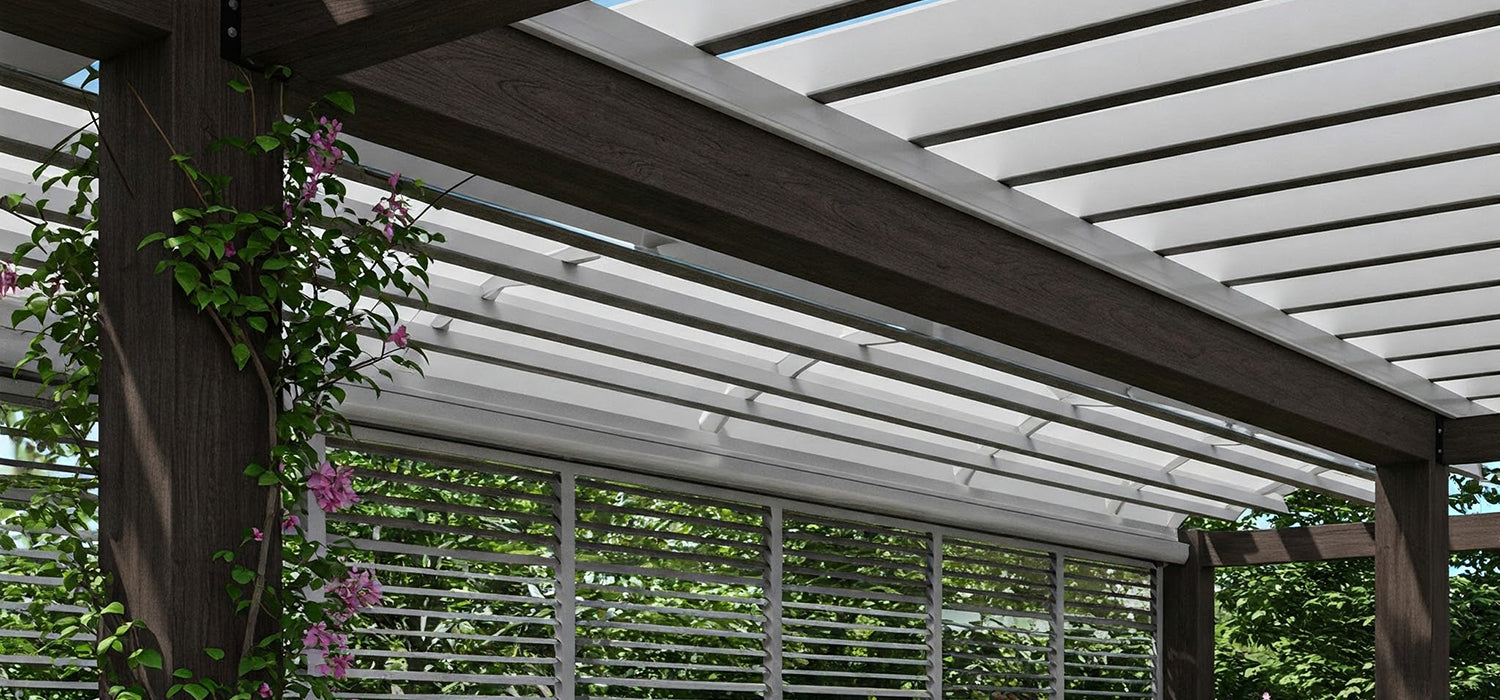
Can a pergola support outdoor learning? Absolutely! With the right design, like durable aluminium pergolas, these outdoor structures can transform classrooms into nature-filled learning hubs. From shade to creativity boosters, keep reading for fun ideas to create an inspiring, weather-friendly classroom under the open sky!
Outdoor learning is more than just a change of scenery. It’s a whole new way of engaging children and helping them learn. When nature is your classroom, the learning experience becomes more dynamic and hands-on, providing countless opportunities for children to grow in both mind and body.
Ever tried learning in a room that feels a bit too stuffy? Now imagine swapping that for an open-air classroom under the shade of a pergola, with the sound of birds chirping and the breeze rustling through the leaves. Outdoor learning is a game-changer because it excites children in ways traditional classrooms sometimes struggle to. The space and fresh air boost their motivation, making them more eager to explore, engage, and discover new things. It's as though the outdoor setting itself sparks curiosity and enthusiasm, encouraging kids to dive into lessons with more energy.
It’s not just the academic benefits that make outdoor learning so effective. Research has shown that spending time outdoors improves both physical and mental well-being. A pergola provides the perfect space to learn while also allowing students to breathe fresh air, get some sunshine (without too much direct heat), and have room to move. The calming environment also reduces stress, helping children to focus better and learn more effectively.
Being outside helps children develop a deeper connection to the world around them. A pergola can serve as a gateway to understanding nature, as kids can observe plants, animals, and the changing seasons up close. This connection can foster a sense of responsibility towards the environment, encouraging young learners to care about the planet and its ecosystems. After all, how can you protect something you don’t understand or feel connected to?
The key to making a pergola work for outdoor learning lies in the design. A well-planned pergola offers more than just shelter—it creates a dynamic, inspiring learning environment. It can transform a garden or playground into an interactive classroom, where nature itself becomes a teaching tool.
One of the best things about pergolas is their ability to provide shelter without shutting out nature. Whether it’s a hot day or a light drizzle, a pergola allows learning to continue comfortably. With its open sides and roof, a pergola offers protection from the elements while letting in plenty of light and air. It’s the perfect space to hold lessons, read stories, or enjoy a discussion outdoors, without worrying about the weather ruining the fun.
When it comes to designing a pergola for outdoor learning, the materials you choose are crucial. Wood, bamboo, or stone can give the structure a natural, rustic feel, allowing it to blend seamlessly with its surroundings. Think of it as bringing nature inside—but without the walls. Adding these materials also sparks an appreciation for the environment, as students get a chance to learn about sustainable building methods and natural aesthetics.
Why stop at just the structure itself? Pergolas are the perfect space to introduce planting, both around and on the structure itself. Imagine climbing vines like ivy or wisteria wrapping around the pergola, or flower beds beneath it that kids can tend to as part of their learning. Not only does this add beauty, but it also offers a chance to study plant growth and the life cycles of different species.
Outdoor learning spaces are enriched when sensory elements are included. Pergolas can incorporate wind chimes, textured materials, or fragrant plants that stimulate the senses and encourage active exploration. These features engage children in a deeper way, allowing them to use all five senses in their learning process, whether they’re making nature-based art or observing insects.
When the weather is warm or unpredictable, pergolas are a perfect solution. Providing shade on sunny days or shelter from light rain, they help to extend outdoor learning sessions. Teachers can conduct lessons for longer periods without worrying about the kids getting too hot or too wet. The pergola acts as a weather-resistant base, making it a reliable outdoor classroom all year round.
With the right setup, a pergola becomes more than just a structure—it turns into a hub of creativity and exploration. Here are some fun ideas for nature-based learning activities that can take place under a pergola.
Encourage children to observe the plants, insects, and animals around the pergola. Provide them with notebooks or tablets to document their findings, sketching or writing down what they see. This could be part of a larger study of local wildlife or plants, allowing children to immerse themselves in real-world biology. Not only does this boost their scientific skills, but it also fosters critical thinking and attention to detail.
The beauty of nature can be harnessed for creative expression. Under a pergola, children can collect materials like leaves, twigs, or stones to create their own artworks. Whether it’s crafting nature-inspired sculptures, making leaf rubbings, or painting with natural dyes, the possibilities are endless. This activity allows children to explore their artistic side while learning about the environment.
A pergola provides the perfect setting for science experiments. Kids can conduct simple experiments like growing plants, investigating how weather affects living things, or learning about the water cycle. The outdoor setting encourages hands-on learning, making science feel more tangible and fun.
Nature is full of stories waiting to be told. Under a pergola, children can invent their own tales, drawing inspiration from the world around them. Whether it’s pretending to be explorers in the jungle or acting out the life cycle of a butterfly, storytelling and dramatic play encourage creativity and communication skills.
Why not let children build structures using natural materials? With sticks, leaves, and stones, they can create mini shelters, bridges, or even little villages. This activity helps develop problem-solving, teamwork, and an understanding of engineering concepts—all while spending time in the great outdoors.
While a pergola is a fantastic learning space on its own, it can also serve as a gateway to even more outdoor learning opportunities. By connecting it to the surrounding environment, children can explore and expand their learning experiences further.
The pergola doesn’t have to be an isolated spot. It can be linked to gardens, ponds, or woodland areas, offering an extended outdoor classroom. This connection allows children to explore different ecosystems, observe wildlife, and deepen their understanding of biodiversity. It’s the perfect way to get them excited about nature conservation.
The pergola can also act as a launch point for other outdoor activities. Whether it’s a treasure hunt, a nature walk, or a scavenger hunt, the pergola can serve as a safe, sheltered base where kids can regroup and reflect before heading back out. This ensures they can enjoy the benefits of both outdoor exploration and protected learning spaces.
By embracing the idea of nature-based classrooms with a pergola at the centre, schools can offer children a unique and enriching learning experience. With its combination of shelter, natural beauty, and endless learning opportunities, a pergola truly supports outdoor education and helps children thrive in ways traditional classrooms can’t match. So, why not bring the classroom outdoors and let nature do the teaching?
Other articles our customers have found useful:

