

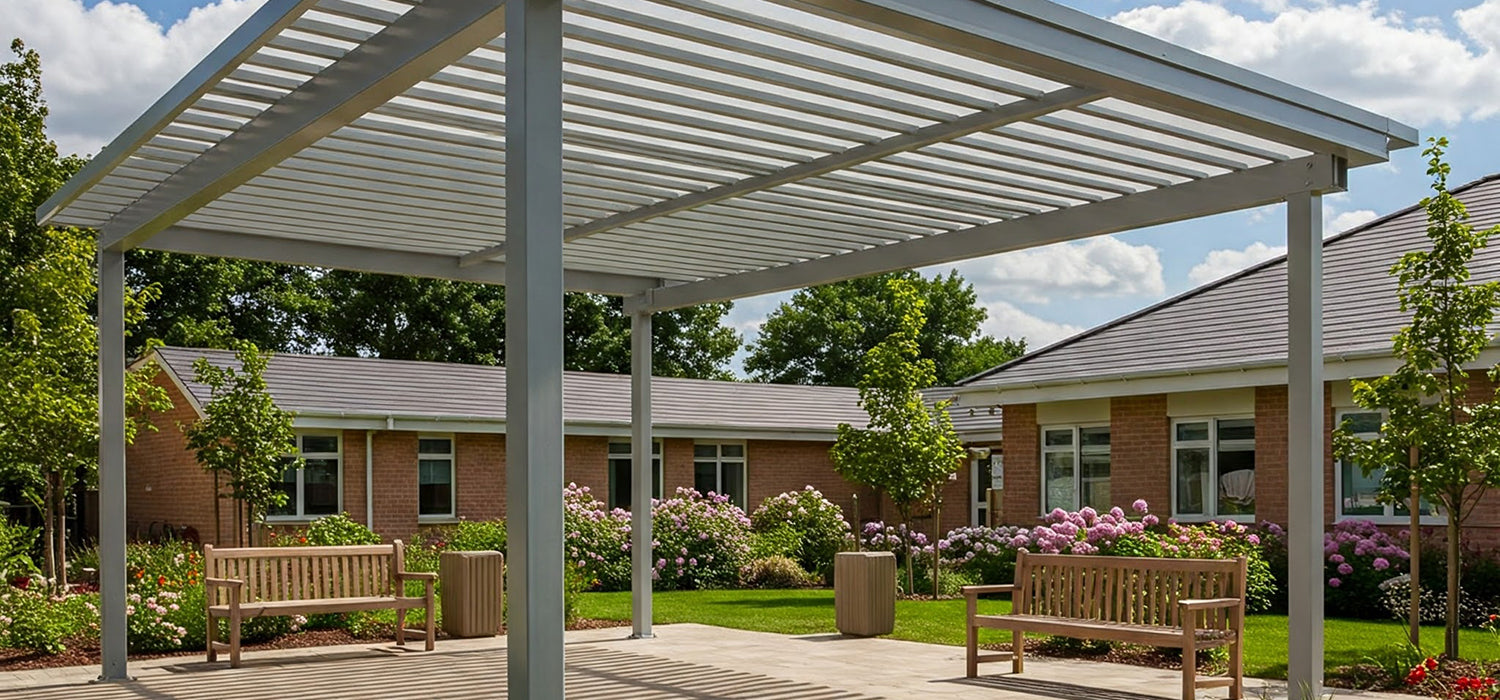
Thinking of adding shade without shading your budget? A pergola—yes, even a sleek aluminium pergola—can transform your nursery’s outdoor space. The short answer? Budget smartly with the right materials, safety tips, and funding options. Keep reading for cost breakdowns, grant ideas, and clever planning that won’t break the piggy bank!
Adding a pergola to your nursery might sound like a big job, but with the right knowledge, it’s completely doable. Before you pick up the phone or start sketching ideas, you need to understand what goes into the price tag. From buying materials to getting the right people on-site, each step adds a bit to the final cost.
Let’s break it down into bite-sized pieces so it all makes sense.
Choosing the right material makes a huge difference, both in look and cost. If you're working on a tighter budget, pressure-treated wood is a go-to – it’s affordable, sturdy, and can handle the British weather.
If you want something low-maintenance and modern, aluminium pergolas are a brilliant choice. They’re a bit more upfront (£1,000 to £3,000), but you’ll save on upkeep down the line. Recycled plastic and sustainably sourced timber are also worth a look if you’re keen on going eco-friendly.
Unless you've got a particularly handy caretaker on staff, you’ll likely need to hire a professional. Labour costs vary, but you can expect to pay between £300 and £1,200. The more complex the design, the higher the fee.
Flat-pack pergola kits can save you money here, but only if someone is confident enough to build it without it turning into an episode of DIY disasters.
You can’t pop a pergola on uneven grass and hope for the best. Safe play means solid groundwork. Depending on your surface, you might need levelling, paving, or safety matting – and this could cost anywhere from £200 to £1,000.
If your pergola sits near climbing or play equipment, soft fall materials (like rubber tiles) are highly recommended.
Here’s the thing about timber – it needs love. Expect to spend £100 to £300 a year on treatments or repainting. Aluminium pergolas, on the other hand, are the low-maintenance cousin.
A quick clean and annual inspection is usually enough to keep them looking sharp. No splinters, no rot, and no fuss.
Want to give your pergola a little extra flair? Think retractable fabric shades, solar lighting, or even rain covers. These extras can range from £50 to £500 depending on your taste and needs.
They not only make the space more inviting but help extend outdoor play, come rain or shine.
You don’t have to shoulder the full cost alone. From government help to parent-led fundraising, there are several ways to turn your pergola dreams into reality.
There are a number of grants specifically aimed at improving facilities in early years education. If your pergola enhances outdoor learning or supports EYFS goals, you may be in luck.
Government capital funding streams can offer between £5,000 and £50,000. Always keep an eye on application deadlines and eligibility rules—they can sneak up on you.
Your local council might offer smaller grants to support projects that benefit children and the community. Some nurseries have received between £1,000 and £10,000 to improve accessibility, inclusion, or outdoor provision.
It's worth calling your local authority or children’s services team to see what’s available.
Good old-fashioned fundraising still works wonders. Whether it’s a summer fair, a sponsored toddler trike ride, or a bake-off, there are loads of creative ways to rally support.
Local businesses might sponsor materials in exchange for a shout-out on your fence. Or try crowdfunding – it’s easier to get support when people can see exactly where their money is going.
Even the most beautiful pergola can become a problem if you rush in without a plan. Get your ducks in a row before you lift a hammer or write a cheque.
First things first: why do you want a pergola? Is it to create a shaded reading corner, a covered messy play area, or shelter for snack time?
Knowing the answer will help you decide on the size, location, and features that make sense for your space and budget.
Most pergolas won’t need planning permission, but don’t assume. If your nursery is part of a listed building, in a conservation area, or you’re planning a permanent fixture, it’s best to check.
Speak to your local planning authority to avoid any surprises halfway through the build.
Keep it simple. Fancy curves and custom finishes look lovely but cost a pretty penny. Straightforward designs using off-the-shelf materials are often more cost-effective and easier to build.
Aluminium pergolas offer great long-term value with minimal upkeep, while pressure-treated wood is perfect for a natural, rustic feel.
If your funds are limited, break the project into phases. Start with the structure, then add extras like seats, planters or shades later.
Not only does this help with budgeting, but it also gives you multiple points to engage your community or apply for smaller funding amounts.
Always get at least three quotes from experienced installers. Make sure they understand the safety needs of a nursery environment – it's not just about making something that looks nice.
Ask for references, examples of previous work, and timelines. A good tradesperson will help you spot potential issues before they become costly mistakes.
A well-planned pergola can do wonders for your nursery’s outdoor space. It offers a comfy spot for learning, playing, and everything in between – without frying in the sun or getting soaked.
By budgeting wisely, exploring funding options, and planning ahead, you can build something truly special. Whether you go for a rustic timber frame or a shiny aluminium structure, the key is to match your vision with your means.
Other articles our customers have found useful:

