

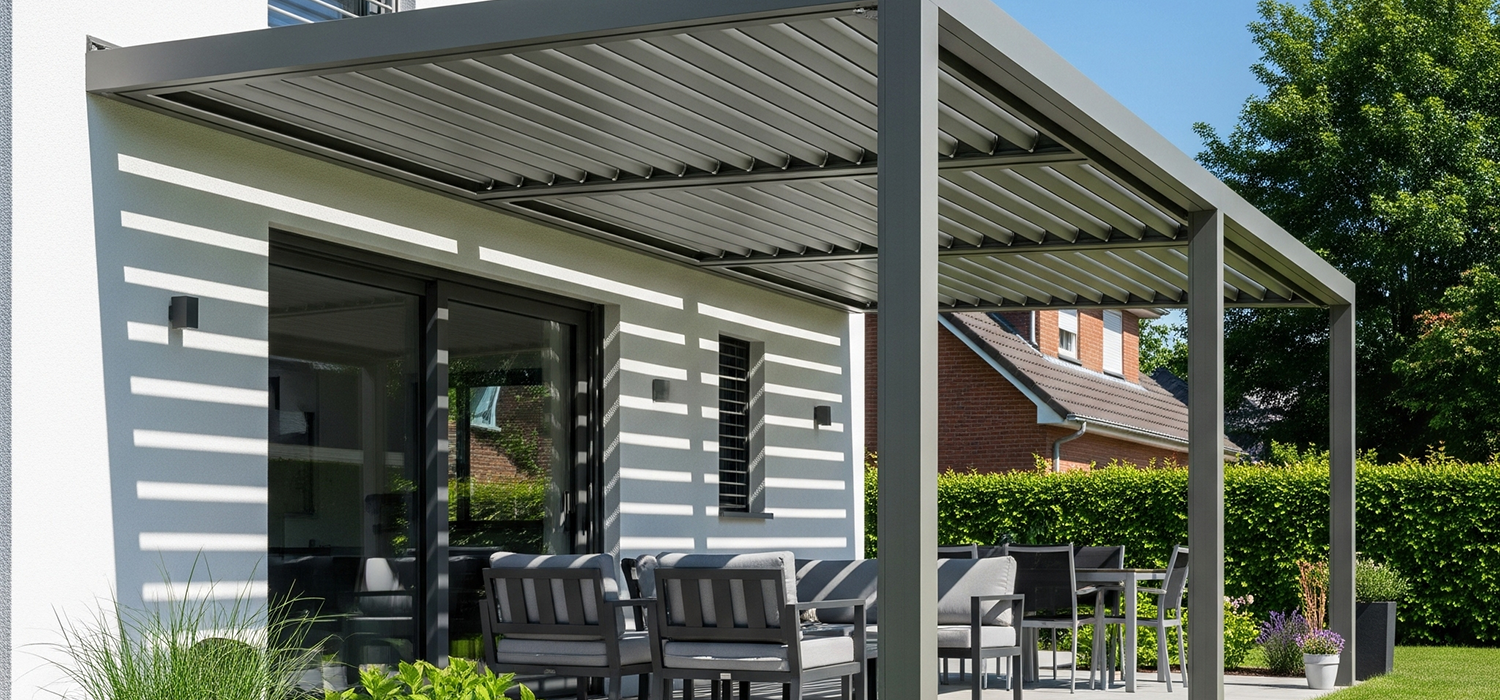
Rain or shine, UK kids still need fresh air—and no, soggy worksheets aren’t part of the curriculum. The short answer? An outdoor classroom shelter like an aluminium pergola turns schoolyards into year-round learning zones. Read on to discover smarter, greener, and dryer ways to teach outside!
There's something calming about fresh air and open skies. For students, this means lower stress levels, better moods, and a boost in emotional resilience. Schools across the UK have noticed how outdoor spaces help pupils unwind—especially during busy exam seasons or after long classroom days.
A Year 6 teacher in Kent shared how her pupils became noticeably calmer during forest school sessions. “It’s like a reset button for them,” she said.
Let’s face it—staring at the same four walls gets dull. Outdoor classrooms break the monotony and naturally draw students in. Sunlight and a change of scenery can do wonders for attention spans.
Pupils are more alert, engaged, and often more eager to participate. One primary school in Yorkshire found behaviour improved dramatically during weekly outdoor maths lessons.
Nature doesn’t always follow a lesson plan. And that’s a good thing.
Students develop adaptability and critical thinking when faced with real-world problems—like building a windproof structure or testing water filtration in a rainstorm. Outdoor classrooms provide hands-on opportunities that can't always happen inside.
In a world of screens and fast food, nature can feel distant. Outdoor shelters bridge that gap, helping children connect with the environment in meaningful ways.
It’s about more than just learning—it's planting the seeds for lifelong sustainability.
Some kids learn best by doing. Others by seeing. Outdoor classrooms offer a flexible space that caters to all styles—whether it’s acting out a Shakespeare scene under the sky or drawing habitats in science.
This flexibility helps reach students who may struggle in traditional setups.
Lessons come alive outdoors. From growing a vegetable patch to measuring rainfall, students can see and touch what they’re learning.
Subjects like art, PE, science, and geography thrive in these spaces—and teachers get to mix things up a bit.
Overcrowded classrooms? No problem.
An outdoor shelter gives schools a cost-effective way to expand without knocking down walls. Use it as a quiet reading corner, breakout space, or full-on classroom—whatever the timetable demands.
These sturdy structures—like aluminium pergolas—are built to last. They’re sleek, low-maintenance, and resistant to the famously unpredictable British weather.
Perfect for schools that want a professional, polished look.
Need something lighter? Polycarbonate panels let in natural light while keeping UV rays out. Fabric options add a bit of flair and are great for shading large areas.
Both provide strong protection with visual appeal.
Got a spare patch of land? A freestanding shelter fits anywhere. Want to extend your existing building? Wall-mounted options are the way to go.
Either way, you get flexibility and function.
Wooden structures blend beautifully into school gardens or play areas. Think rustic charm that feels inviting—not industrial.
They’re a hit in forest school programmes and eco-focused schools.
Treated properly, timber shelters are surprisingly tough. They might need a little more upkeep than metal, but many schools think the natural look is worth it.
No need to lug furniture outside. Built-in benches and worktops make life easier for both staff and students. Just show up and start teaching.
Add a weather-resistant board and you’ve got a fully functional classroom. Great for keeping lessons interactive—and legible!
Shade sails are a fun, budget-friendly option. They protect from the sun, brighten up the playground, and come in all sorts of funky shapes and colours.
Got a tricky corner or odd-shaped play area? No problem. Shade sails fit where rigid structures can’t.
British weather is a mixed bag. A well-designed shelter keeps lessons running whether it’s drizzling, windy or blazing (rare, but it happens!).
Optional side panels or retractable walls help schools make the space usable year-round—no need to huddle in coats every time it rains.
School environments are tough on structures. Choose materials that can handle daily wear and tear—and maybe the odd football.
Think smooth corners, splinter-free wood, and non-toxic finishes. Safety comes first.
Whatever you build needs to tick all the boxes—whether that’s local council rules or national safety standards.
Every student should be able to enjoy outdoor learning. Make sure shelters are step-free and wheelchair accessible.
Layout matters. Leave space for movement and avoid narrow passages—especially with larger groups.
Strategic placement and natural sound buffers like hedges can help create a quieter, more focused space. It’s all about making it usable for actual teaching—not just play.
Clear roofing lets sunlight in, keeping things bright without needing power.
Add heaters or LED strips and suddenly your shelter works on chilly mornings and darker afternoons too.
Small, temporary shelters often don’t need full permission. Larger, permanent structures—especially on listed buildings—usually do.
It’s always best to check with your local council early on. Saves time and headaches.
No matter the size, every shelter must be safe and sound. That means following UK building codes for structure, fire safety, and more.
Installation and ongoing use must follow HSE guidance. This includes things like regular maintenance checks and keeping surfaces non-slip.
Many green education grants are available from local authorities, charities, and environmental organisations. Combine that with strategic budgeting, and your shelter becomes a realistic goal.
Look for experience in education settings, reliable materials, and proven installs. Warranties and reviews go a long way.
Not ready to go big all at once? Start small—maybe a shade sail or basic canopy—and build over time. It’s a great way to manage costs and test what works best.
A school in Manchester uses its outdoor shelter as a science lab, complete with rainwater tanks and solar panels. Meanwhile, a primary in Devon holds weekly art classes in their timber gazebo.
The versatility of these shelters is what makes them shine.
Teachers across the UK report improvements in pupil behaviour, attendance, and engagement. One headteacher in Birmingham called their outdoor classroom “the best investment we’ve made in ten years.”
It’s not just about learning—it’s about transforming the whole school experience.
Want help choosing the right outdoor shelter for your school? Just ask—we're happy to help you make outdoor learning a breeze.
Other articles our customers have found useful:

