

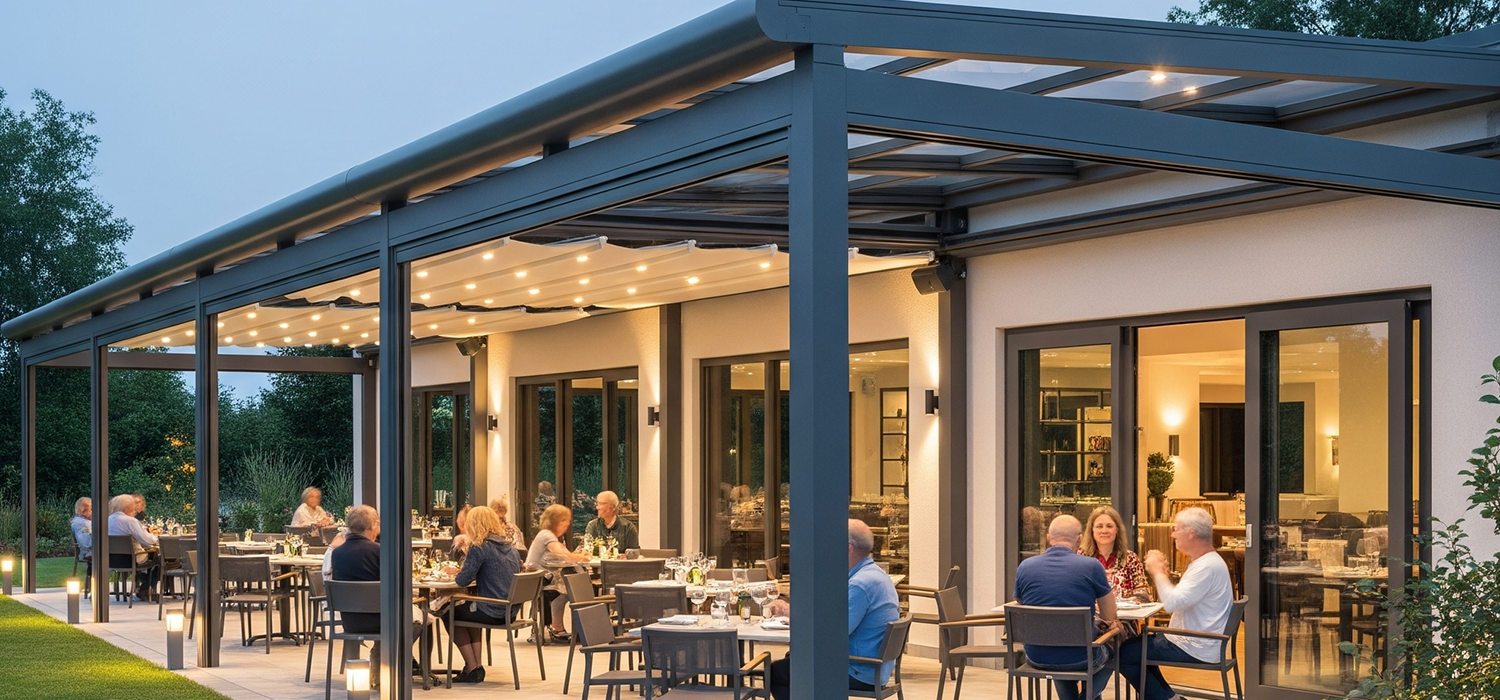
Yes, your nursery needs outdoor shade — for the kids, the staff, and your sanity. Think less sunburn, more giggles. Whether it’s a stylish sail or a sturdy aluminium pergola, smart shade structures keep little ones cool, safe, and playing longer. Now, let’s get into why shade matters and how to get it right.
We all know the British weather loves to keep us guessing. One minute it's grey and gloomy, the next it's blazing sunshine. For young children, their skin is especially sensitive to UV rays — even on cloudy days. According to the Skin Cancer Research Fund, kids under 15 get a large chunk of their lifetime sun exposure early on.
In nursery settings, that means outdoor time needs extra care. A shaded area isn’t just nice to have — it's essential for protecting little ones from long-term skin damage.
Beyond avoiding sunburn, shaded outdoor areas also support better health. Kids can play longer without overheating or becoming dehydrated. With more comfortable conditions, outdoor time becomes a space for movement, creativity, and development — without the sun playing spoilsport. Plus, parents feel reassured knowing their children are protected while enjoying the outdoors.
We’ve all seen it — the sun’s out, and suddenly, the outdoor space becomes a no-go zone. With well-placed shade, however, nurseries can keep play areas cool and glare-free. This means kids can stay out longer, enjoying swings, sandpits, and water tables without squinting or sweating buckets.
On hotter days, shade can reduce surface temperatures by several degrees — a game-changer for those midday play sessions.
A shaded space doesn’t just keep things cool. It creates a sense of calm, inviting little imaginations to run wild. Picture storytelling under a leafy canopy or quiet moments with a book beneath a pergola. Shade transforms outdoor areas into extensions of the classroom, filled with possibility and creativity.
In the UK, nursery operators must comply with specific safety and health standards — and outdoor shading is part of the equation. Guidelines from the HSE and BSI suggest any outdoor equipment, including shade, must be securely anchored and safe for young children. That means no loose ropes, no tripping hazards, and definitely no rusting metal edges.
Shade structures should be designed with the same rigour you’d apply to indoor spaces — safety first, always.
Shade sails have become the go-to for modern nurseries — and for good reason. With triangular, rectangular, or custom-shaped options, they offer design flexibility and eye-catching appeal. Whether you want to cover a sandbox or a whole play area, sails can be tailored to suit.
Think of it as a stylish sun hat for your outdoor space.
Of course, it’s not just about looks. The right fabric matters. Opt for sails made from high-density polyethylene or similar materials that offer 90–95% UV protection. Bonus points if they’re waterproof — because, well, Britain.
Cantilever shades are the unsung heroes of the playground. They offer wide coverage using just one or two supporting posts, leaving play areas wide open and free of obstacles. Perfect for swings, climbing frames, or any space where kids need room to roam.
Made with steel frames and UV-stable canopies, cantilever designs are built to last. Many are engineered to handle strong winds — a must in coastal areas or exposed sites. They’re sturdy, practical, and ideal for nurseries that value function with form.
Hip roof shades — those four-post square or rectangular units — offer solid, all-day coverage. Their sloped design allows rain to drain off easily, keeping the area underneath dry and usable.
They’re a fantastic option for consistent, fuss-free protection over larger areas like outdoor classrooms or activity zones.
These structures are all about peace of mind. With steel frames and UV-resistant fabric tops, they require minimal upkeep. A quick check once a term and the odd rinse down is usually all they need.
Retractable options offer the best of both worlds. Pull them out when the sun’s glaring, tuck them away when you want full light. This flexibility makes them perfect for settings that change throughout the day or across seasons.
Today’s models are simple to operate — think hand-crank or motorised systems. Plus, many are built with weather sensors to retract automatically during heavy wind or rain. Smart and safe.
It’s not all about hardware. Thoughtful landscaping plays a big role in outdoor shade. Planting deciduous trees around play areas provides natural cover in summer, while letting the sun through in winter.
A well-placed tree is nature’s original sunshade.
The best nursery environments often blend both approaches. A pergola entwined with climbing plants, for instance, delivers year-round charm and comfort. It’s about creating a sensory-rich environment that feels alive and loved.
Only use materials that are safe for children — no nasty chemicals, no flammable fabrics. Look for certifications and UK standards that guarantee safety.
The UK’s weather isn’t always kind, so your structure needs to hold up. Proper foundations, anchoring, and high-grade fittings are non-negotiable. Wobbly is not an option.
Design around the chaos of toddlers. Keep posts out of key pathways and ensure everything is rounded, covered, or padded where needed.
Use a simple sun path app or compass to understand where the sun hits during peak hours. Then place your shade where it’s needed most — usually over active zones like climbing frames or seating areas.
Remember: UV rays are strongest between 11am and 3pm. Make sure your shade setup covers the busiest outdoor periods.
Choose corrosion-resistant frames and fade-proof fabrics that can handle constant exposure. Aluminium pergolas, for example, are sleek, modern, and built to last — withstanding rain, wind, and time.
Always check for a solid warranty and supplier reviews. If they’ve worked with schools or nurseries before, even better.
Shade doesn’t have to be dull. Bright colours can energise a space, while soft neutrals create calm corners. Match your palette to the nursery’s character.
Structures should feel like a natural extension of your space. Think about how materials, shapes, and heights complement existing buildings and greenery.
Get it done properly. DIY might save money upfront but can compromise safety. Reputable installers will ensure your structure meets safety codes and is properly secured for the long haul.
Most canopies just need a rinse with mild soap and water. Avoid bleach or pressure washers — they can damage UV coatings.
Set a routine — once a term, give your shade structure a proper look-over. Check for loose bolts, sagging fabric, or rust. Fix small issues before they grow.
One London nursery installed overlapping triangular sails in bright primary colours — instantly transforming a dull yard into a vibrant outdoor classroom. Another in Manchester opted for a central aluminium pergola with retractable canopy, perfect for rain or shine.
Each solution reflected the nursery’s needs, budget, and creative vision.
The results? Happier children, relaxed staff, and impressed parents. More outdoor time, fewer sun complaints, and a genuine boost in daily routines. Shade isn’t just practical — it’s transformational.
Other articles our customers have found useful:

