

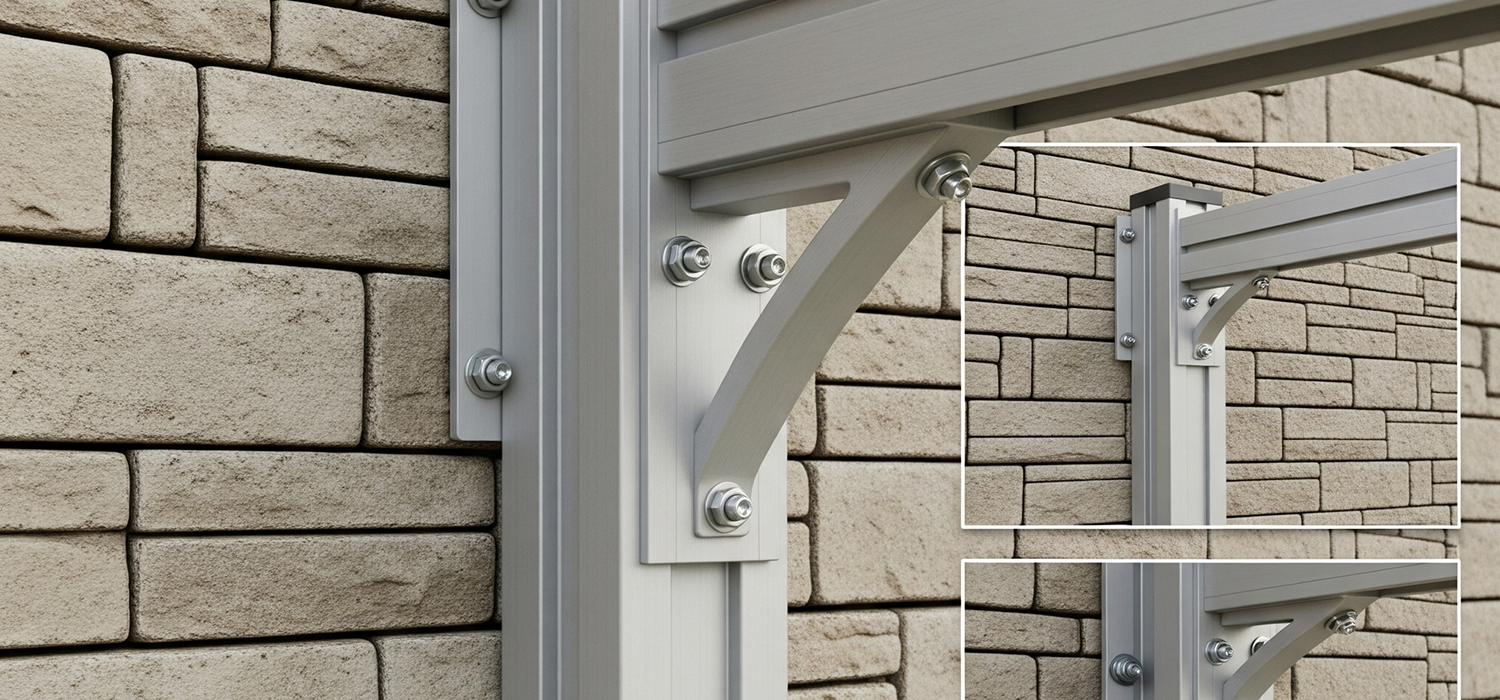
Looking to attach pergola posts to masonry without your garden becoming a leaning tower? The best way—especially for Aluminium Pergolas—is using sturdy post bases with stainless steel anchors. Stick around to discover how to nail a secure, weatherproof fix that won’t wobble in a British breeze!
Building a pergola adds charm and shelter to your garden, but attaching those posts to masonry like brick or concrete needs care and the right approach. It’s not just about hammering in bolts — you need the right fixings, proper preparation, and to understand the surface you're working with.
Whether it’s a brick wall, stone patio, or concrete slab, this guide covers the best ways to secure your pergola posts firmly. The aim? A weatherproof, stable, and long-lasting structure you can rely on.
Masonry covers various tough materials — bricks, poured concrete, stone, and hollow blocks. Each has its quirks when drilling or fixing, so knowing your surface well can save you time and money.
Your pergola should stand firm through rain, wind, and sun. That means using fixings that hold tight, materials that resist rust, and methods that don’t harm the masonry over time. Simply put, the goal is a pergola that looks great and lasts for years.
Solid masonry like poured concrete or solid brick is ideal. It’s dense and strong, making it perfect for mechanical or chemical anchors that grip well and stay put through all weathers.
Hollow blocks or bricks need special care. Their cavities mean standard bolts might slip or loosen. The trick is to use anchors that expand inside the hollow or resin-based systems that bond deeply, creating a strong hold.
Before drilling, check the surface condition. Cracks, loose mortar, or unstable paving stones can ruin your fixings. Repair or replace damaged areas first to ensure a solid base.
These metal bases are the go-to choice for anchoring pergola posts on masonry.
Adjustable bases let you align posts perfectly, handy on uneven surfaces.
Fixed bases provide a rigid, no-nonsense hold.
Elevated bases raise wooden posts off the ground, helping prevent rot.
Raising timber posts allows air to circulate underneath, keeping them dry. This simple step can add years to your pergola’s life, especially in damp British weather.
These involve injecting resin into drilled holes, which bonds the fixing to the masonry for outstanding strength.
Chemical anchors are fantastic for tricky surfaces, like hollow bricks. The resin fills gaps and solidifies, locking the fixing in place far better than mechanical anchors alone.
Clean the hole thoroughly to remove dust. Inject the resin carefully, insert the threaded rod or bolt, and let it cure fully before applying any load. Patience here pays off with a rock-solid hold.
These anchors expand inside the hole to grip the masonry tightly.
Perfect for concrete and solid bricks, these anchors are quick to install and hold firmly.
Used when heavy loads are expected, drop-in anchors provide flush fixing and superb support — think pergolas with large beams or added features.
Through-bolts go right through thick masonry and secure with a backing plate.
Opt for this when dealing with very heavy structures or thick, load-bearing walls. It’s the ultimate in strong, secure fixing.
Don’t forget to seal around the bolts with waterproof sealant to keep moisture out and maintain a neat finish.
Start by clearing dirt, debris, or loose material. Check for cracks or damage and fix these before drilling. Make sure the surface is level for a snug fit.
Use a template or measure carefully to mark your holes. Use a rotary hammer drill with the right bit, and take care to avoid hitting metal rebar or mortar joints. Drill a little deeper than the anchor length to ensure proper seating.
Follow the manufacturer’s instructions closely. Whether using chemical, mechanical, or through-bolts, proper installation is key to a safe and durable hold.
Once the base is firmly fixed, bolt the pergola post onto it. Check with a spirit level to ensure it’s perfectly vertical — a wonky post will cause problems down the line.
Aluminium posts need stainless steel or powder-coated bases to prevent corrosion. Adding washers with anti-seize compound can also help avoid galvanic corrosion where different metals meet.
Use treated wood and keep it elevated from the ground with metal bases. Seal all exposed cuts, and ensure airflow around the post to reduce moisture build-up and rot.
If you’re building a large pergola or fixing to a retaining or load-bearing wall, get a pro involved. Their expertise ensures safety and compliance with building regulations.
Always follow the pergola supplier’s guidance on fixings and installation. Skipping steps or using incorrect fixings can void warranties and risk failure.
A well-anchored pergola isn’t just a pretty addition — it’s a safe, stable structure that stands up to the unpredictable British weather. Understanding your masonry, picking the right fixings, and installing carefully will reward you with years of enjoyment beneath your pergola’s shade.
Build smart, anchor right, and watch your outdoor space transform.
Other articles our customers have found useful:

