

Short answer: Bioclimatic designs and eco-friendly materials, like aluminium pergolas, make your garden smarter, greener, and comfier. Why settle for a regular garden when yours can dance with the weather, save energy, and look fabulous? Keep reading to discover how going green turns outdoor living into a breath of fresh air!
Picture this: your garden knows when it’s sunny and offers you shade. Or when it rains, and it tilts its louvres to keep you dry. That’s bioclimatic design—using nature’s own systems to your advantage.
Rather than fighting the weather, you work with it. It’s smart, sustainable, and makes outdoor life more enjoyable all year round.
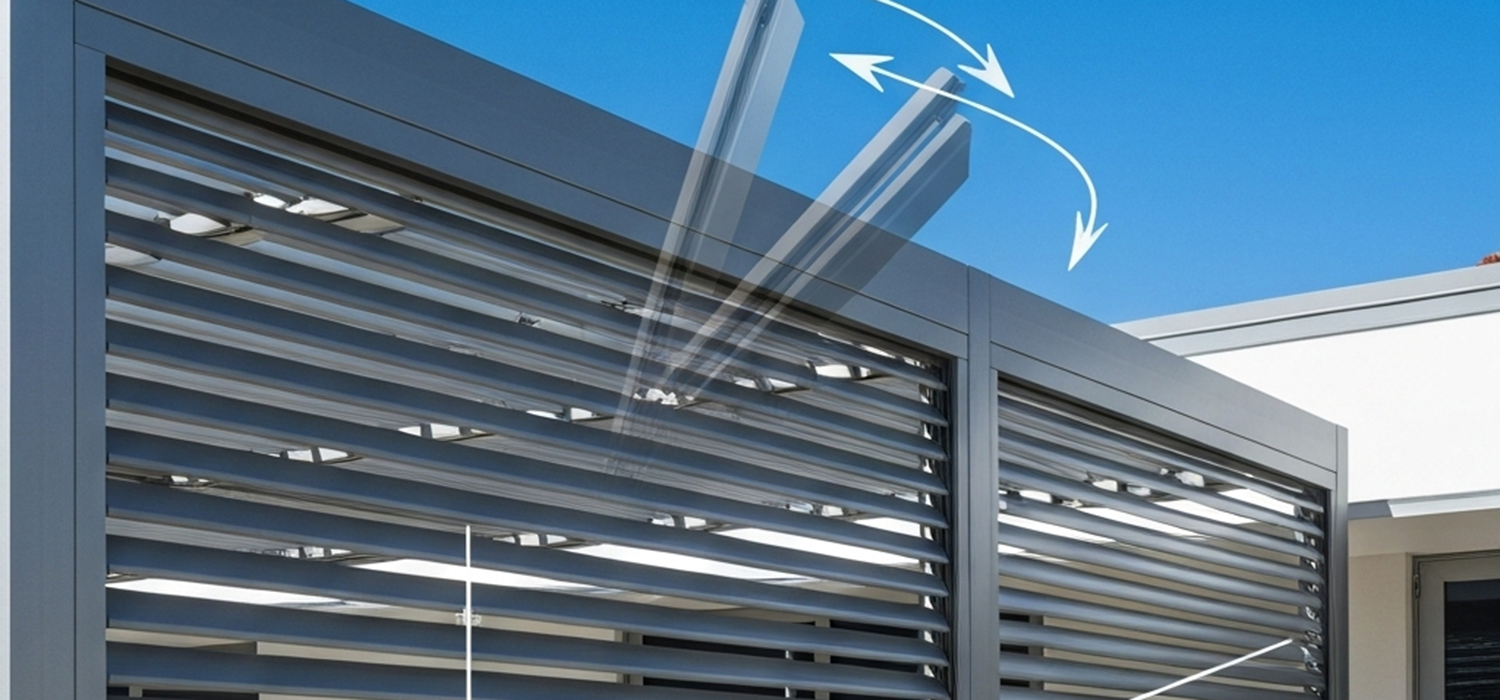
Bioclimatic design relies on passive techniques. No plugs, no fuss—just good design. Structures like aluminium pergolas with adjustable louvres let in light or air when you want it and block it when you don’t.
It’s a bit like having a garden that reads your mind.
Ever wished your patio had a breeze on demand? With the right orientation and airflow channels, you can create a garden that cools itself naturally.
No noisy fans, no energy bills—just the wind doing its thing.
Aluminium pergolas with moving louvres are the ultimate outdoor multitaskers. Sun beating down during lunch? Tilt the roof for instant shade. Chilly autumn morning? Let the light shine in.
It’s like having your own personal weather switch.
British weather offers one thing in abundance—rain. So why not put it to use?
Collecting rainwater for your plants is simple, sustainable, and stops all that precious water from going down the drain.
When your garden regulates itself, your home benefits too. Less sun blazing through windows means cooler rooms in summer. Better airflow can even reduce the need for indoor climate control.
It’s a win-win for your wallet and the planet.
Materials tell a story. Choose recycled aluminium or FSC-certified timber, and you’re choosing a lower carbon footprint and a more responsible garden.
Every plank, panel or post you pick makes a difference.
Eco materials aren’t just good for your space—they’re kind to the world around it. Non-toxic finishes and natural options mean safer soil, healthier plants, and happier pollinators.
Your garden can become a haven for wildlife, not just humans.
Let’s be honest—nobody enjoys replacing decking every few years. That’s why tough, eco-conscious materials matter. They last longer, wear better, and save you from constantly patching up or throwing out.
Sustainability starts with what you don’t have to replace.
Recycled aluminium isn’t just a buzzword. It’s tough, rust-resistant, and endlessly reusable. A perfect match for pergolas and frames that stand the test of time.
FSC-certified wood means forests are managed, not mauled. You get beautiful timber without the environmental guilt.
Those fresh paint smells? Often full of nasty chemicals. Low-VOC and natural finishes keep your air cleaner and your family safer.
Choose materials that handle the UK’s wet winters and surprise summers. Composite decking, recycled plastics, and solid metals all need less upkeep—and more relaxing.
It’s sleek, modern, and doesn’t rust. Aluminium pergolas made from recycled materials tick all the right boxes for design and sustainability.
Timeless and tactile, wood never goes out of style—especially when sourced responsibly.
These clever composites are made from waste that would otherwise go to landfill. Now they’re part of your stylish, low-maintenance garden.
Reclaimed wood adds character, while fast-growing bamboo is both strong and sustainable.
Hard-wearing and handsome, these metals are ideal for frames, benches, and accents that last.
Look for UV-stable and recycled textiles. They’ll keep their colour and charm, whatever the weather.
Tough as nails and made from re-used waste. Perfect for pots, borders, and raised beds.
These old favourites are breathable, local, and blend beautifully into natural surroundings.
A little creativity goes a long way. An old crate, a vintage sink—if it holds soil, it can become a planter!
They look great and help manage water flow by letting rain soak into the ground.
Crushed brick, concrete, or stone—great for paths and patios without the quarrying guilt.
Zero electricity bills and a twinkle of charm. What’s not to love?
Fountains don’t need to be fancy. Recycled stone or ceramics make unique, sustainable features.
You control the climate with a click. Sunny day? Open up for ventilation. Rainy afternoon? Shut it tight.
Choosing recycled means reducing energy use and raw material demand. One stylish pergola—hundreds of plastic bottles’ worth of waste avoided.
They give you shade when it’s hot and light when it’s cold. Clever, right?
Native and Mediterranean plants thrive with less water—and less fuss from you.
Take stock. What can you reuse? What needs replacing? What’s just taking up space?
Think garden furniture that doubles as storage or planters that work as seating.
FSC, Rainforest Alliance, GRS—trust the labels, not just the pretty packaging.
It’s cheaper, greener, and adds character. Bonus: you get bragging rights.
Mulch, drip irrigation, rain barrels—small upgrades that make a big difference.
Together, bioclimatic principles and sustainable materials create gardens that work with nature, not against it. They reduce waste, save energy, and offer a more comfortable space to enjoy.
With just a few smart choices—aluminium pergolas, recycled decking, and thoughtful planting—you can turn your garden into a low-impact, high-style retreat.
Because in the end, the best gardens don’t just grow flowers. They grow futures.
Other articles our customers have found useful:

