

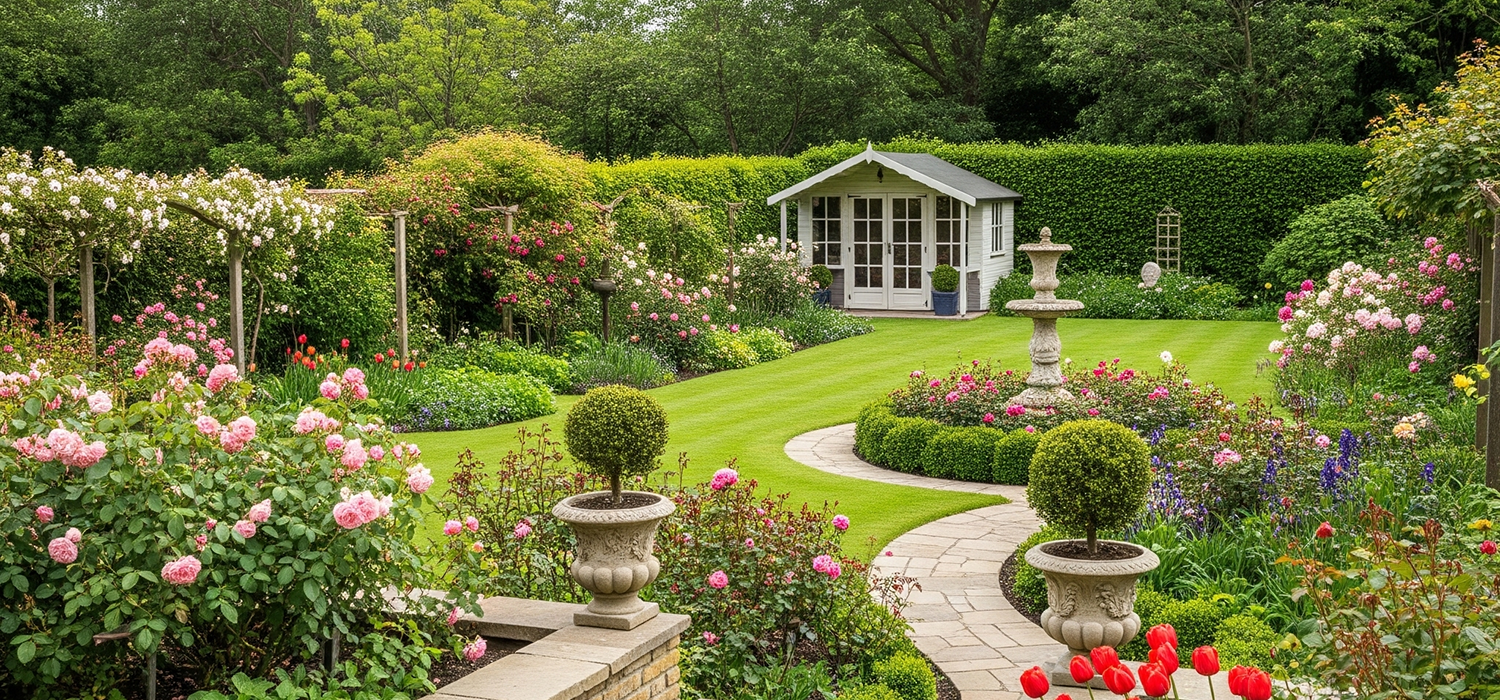
Want a garden that thrives and plays nice with the planet? 🌿
Short answer: Use native plants—they’re tough, low-maintenance, and loved by local wildlife. You’ll save water, ditch the chemicals, and still wow the neighbours. Curious how? Keep reading.
If you have any questions about Garden Landscaping, Click Here.
Picture this: it’s summer, you’re sipping tea in the garden, and instead of battling wilting roses and aphid infestations, you're watching bees dance through a wild patch of native foxgloves. Sounds good, right?
Native plant landscaping isn’t just a trend. It’s a smart, sustainable way to create a garden that looks great and works with nature rather than against it.
Native plants are the locals—plants that have grown naturally in the UK for thousands of years. Think bluebells in woodlands or heather on moorlands.
Non-native plants are the visitors, often from far-off places, that might look pretty but tend to need more attention—and sometimes cause chaos for native wildlife.
A plant that thrives in Norfolk might struggle in the Highlands. That’s why regional specificity matters. Choosing flora that evolved in your local climate means less work for you and a better chance of survival for your garden.
Native plants know how to behave in the British climate. They don’t guzzle water or demand constant feeding. Instead, they support biodiversity by attracting bees, butterflies, and birds.
You’re not just planting a garden—you’re helping build an ecosystem.
Ever seen a butterfly ignore an imported flower? That’s because many pollinators depend on specific native species to survive.
Plants like buddleia and cowslip become mini wildlife hubs in your garden, creating a chain of life that starts with pollen and ends with happy hedgehogs.
Let’s face it—life’s busy. The beauty of native plants is how little they ask for in return. Once settled, they shrug off drought, pests, and the unpredictable British weather.
No more dashing out with the watering can every evening.
Before planting, grab a trowel. Is your soil sticky clay, gritty sand, or somewhere in between? A quick pH test will also help determine whether you’re dealing with acidic or alkaline earth.
It’s not glamorous—but it’s essential.
Watch your garden across the day. Morning sun? Afternoon shade? A mix of both?
Knowing your light conditions makes plant placement a doddle—and gives your new additions the best shot at thriving.
Slopes, hollows, shaded corners—they all create microclimates. One corner may stay damp while another bakes dry. Use these quirks to your advantage when selecting your plant list.
Pop down to your local plant nursery or botanical garden. They often have native plant sections and friendly staff who know what works where.
You might even pick up a few secret tips from a gardener who’s tried it all before.
Websites from RHS, local wildlife trusts, or native plant societies can help you match plants to your region and garden type.
Cross-check names and conditions before you buy—some species have sneaky lookalikes.
Got sandy soil and full sun? Try bird’s-foot trefoil or wild thyme. Shady, damp patch? Wood anemone or wild garlic could be perfect.
The key is matching plant preferences to your own garden’s quirks.
Look to nature. Forests have layers—tall trees, medium shrubs, ground-huggers. Your garden can too.
Use trees like rowan or hawthorn, underplant with foxglove or heuchera, and add a base of creeping thyme or bugleweed.
Cluster plants with similar watering and sun needs together. It’s smarter, saves water, and looks more natural.
Dry-lovers in one bed, moisture-lovers in another—your hosepipe will thank you.
Native doesn’t mean drab. Mix heights, colours, and textures. Try a bright swathe of poppies alongside waving grasses and architectural teasels.
Add logs or stones for visual breaks and wildlife value.
Choose a mix of bloom times and foliage textures. Spring bulbs, summer wildflowers, autumn berries, winter seed heads—it keeps your garden lively even in the grey months.
First things first—clear out troublemakers. Plants like bindweed, bramble, or Himalayan balsam need to go before natives can settle in.
Weeding now saves headaches later.
Resist the urge to pamper. Most natives prefer the soil just as it is. Unless it’s compacted or barren, a bit of compost is all you need.
Let nature do the heavy lifting.
Spring or autumn—when the soil is soft, moist, and the air is mild. Avoid summer unless you’re ready to water daily.
New plants need a helping hand. Water thoroughly after planting, then top up during dry spells for the first few months.
After that, most will fend for themselves.
Never dig up wildflowers from nature reserves or footpaths. It damages fragile ecosystems—and it’s often illegal.
Buy from UK-based nurseries that specialise in native species. You’ll get healthy plants and peace of mind knowing they’re ethically grown.
Deep, infrequent watering helps roots grow strong. Aim for once or twice a week during dry spells.
Mulch is your best friend. A layer of bark or compost smothers weeds while keeping moisture in.
Once roots are established, most natives need very little extra water. That’s the joy of xeriscaping—gardening for dry spells without sacrificing beauty.
Too much feed can actually harm native plants. Compost in spring is plenty for most.
Trim perennials in early spring and deadhead if you want to prolong flowering. Or leave seed heads to feed birds—your call!
Native plants attract beneficial insects and resist common pests naturally. It’s like your garden is looking after itself.
A birdbath, shallow bowl, or tiny pond brings life to your garden. Just keep it clean and topped up.
Log piles, dense shrubs, bug hotels—perfect homes for everything from hedgehogs to hoverflies. Make your garden a five-star wildlife retreat.
Native planting isn’t just about flowers—it’s a quiet revolution in your back garden. Whether you’re nurturing pollinators, saving water, or just avoiding weekend weeding marathons, you’ll be joining thousands of UK gardeners doing more with less.
Happy planting!
Other articles our customers have found useful:

