

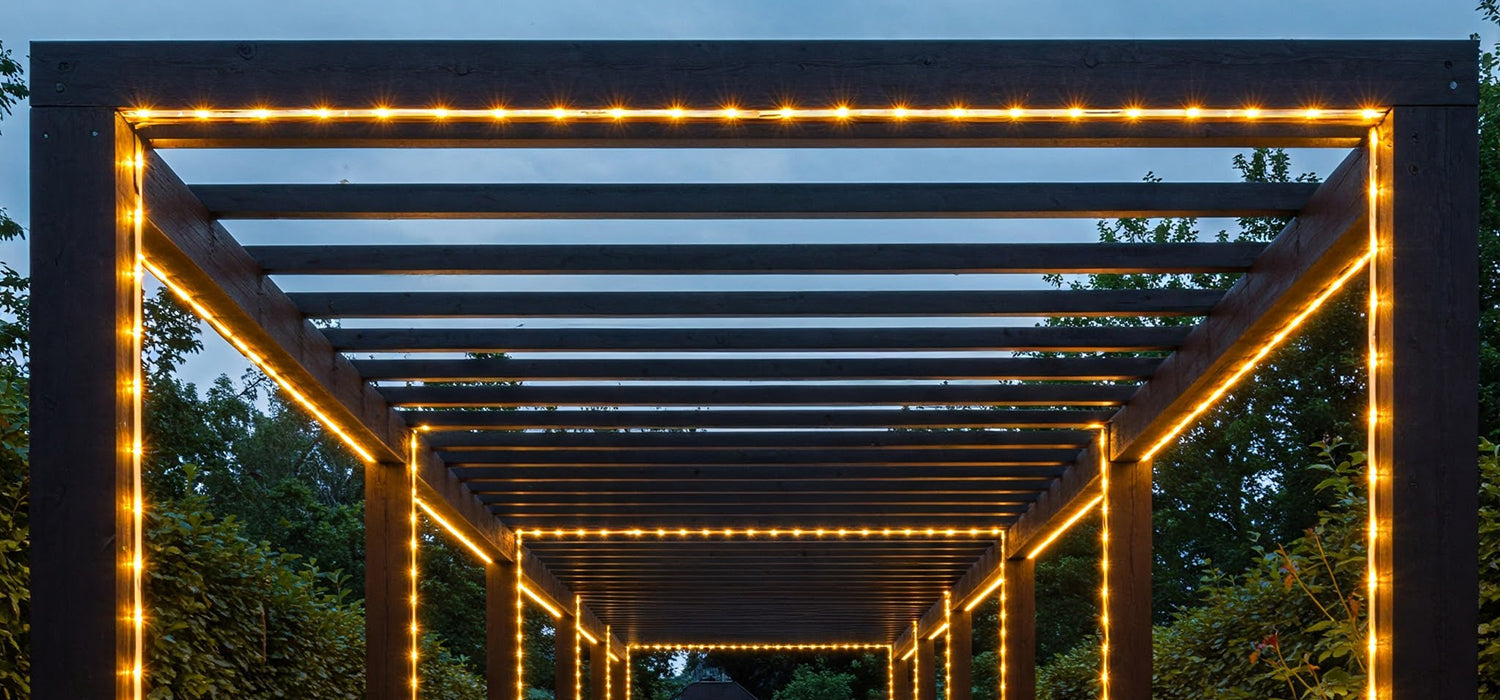
Conservatories? They’re so last decade! Once the crown jewels of suburban homes, they’re now overheating in summer and freezing in winter. Why the shift? It's all about energy efficiency, outdated designs, and the rise of sleek alternatives like aluminium pergolas. Keep reading to find out why they're fading fast!
Not so long ago, conservatories were the envy of the neighbourhood. Imagine it: a sun-drenched space where you could enjoy a cuppa and feel like royalty as you admired your garden from the comfort of your own home. In the late 20th century, they were the ultimate status symbol — a lavish addition to any house. But, like many once-beloved trends, conservatories have fallen out of favour.
What went wrong? Well, it turns out these glass-walled retreats weren't as perfect as they first seemed. Despite their beauty, conservatories have been struggling to keep up with modern living. They simply can’t handle the challenges of energy efficiency, temperature regulation, or style that today’s homeowners crave.
Overheating in Summer Months
A conservatory in summer? It's like stepping into a furnace. The glass walls trap heat, transforming what should be a relaxing space into a sweatbox. You’re more likely to find yourself reaching for the fan than enjoying a peaceful afternoon with a book.
Difficulty in Retaining Heat During Winter
The moment winter arrives, conservatories quickly become uninhabitable. The same glass that traps heat in summer fails to insulate properly when it’s cold. Without proper heating, you’ll be watching the snow fall from the comfort of your cosy living room rather than from your chilly conservatory.
Resulting in Uncomfortable and Underutilized Spaces
What does all this mean for the homeowners? It’s simple: conservatories often end up as glorified storage rooms. With no real year-round comfort, these spaces fail to live up to their potential. Most people use them for a few weeks during spring or autumn, and that's about it.
Poor Insulation in Older Designs
Older conservatories, particularly those built in the 80s and 90s, were designed with little thought given to insulation. That means cold air seeps in during winter, and in summer, the space turns into an oven. It’s a battle of the seasons, and the conservatory always loses.
Increased Heating and Cooling Bills
We all know the rising cost of energy is a hot topic these days. With heating and cooling costs climbing, homeowners are rethinking whether it’s worth the expense to keep a conservatory running. With high energy bills and little insulation, conservatories quickly become one of the priciest rooms to maintain.
Seasonal Restrictions Due to Temperature Extremes
Let’s be honest: a conservatory isn’t a year-round feature. In summer, it’s unbearable. In winter, it’s freezing. That leaves just a few weeks during spring and autumn when you can truly enjoy the space. For most homeowners, that’s not enough to justify the cost and hassle.
Regulations and Restrictions on Size and Design
If you’ve ever tried to add a conservatory to your home, you know the challenges of dealing with planning permission. Restrictions on size, design, and placement can quickly turn what should be a simple project into a bureaucratic nightmare. These rules have made it harder for conservatories to fit into modern building trends.
Shift Towards More Integrated and Seamless Extensions
Today, homeowners want more than a glass box attached to their house. The focus has shifted towards seamless extensions that flow with the rest of the property. Open-plan living and integrated spaces are far more desirable, offering flexibility and practicality that conservatories simply can't compete with.
Desire for Solid Roofs and Better Insulation
Unlike conservatories, modern extensions often feature solid roofs and better insulation. This means they provide more comfort, more style, and a much lower impact on your energy bills. Homeowners are choosing to invest in alternatives that meet the needs of modern life.
Garden Rooms, Orangeries, and Extensions Offer Enhanced Functionality
The good news? You don’t have to settle for an outdated conservatory. Garden rooms, orangeries, and glass extensions are all on the rise. These alternatives offer everything conservatories promise — light, space, and a connection to the outdoors — but without the drawbacks. They're insulated, stylish, and much more suited to the demands of modern living.
Often Seen as Add-ons Rather Than Seamless Extensions
One of the main issues with conservatories is that they never quite fit in with the rest of the house. They often feel like a bolt-on rather than an integrated part of the home. Modern homeowners want spaces that flow naturally, not areas that feel tacked on to the side. A conservatory is rarely the answer to that.
As tastes have changed, so has the concept of home extensions. The new goal isn’t just adding a space; it’s about creating a functional, sustainable area that complements the rest of the home. Modern extensions focus on efficiency, aesthetics, and versatility, offering everything a conservatory could — and more.
Building regulations have become stricter over the years, especially when it comes to energy efficiency. Conservatories, with their thin glass walls and poor insulation, simply don’t meet modern energy standards. More and more, people are looking for solutions that offer better insulation and a lower environmental impact — and conservatories just can’t keep up.
As sustainability becomes a top priority for homeowners, the demand for energy-efficient solutions is on the rise. Homeowners are becoming more aware of the environmental cost of maintaining outdated conservatories, especially with the rising cost of energy. Many are choosing more sustainable, practical alternatives like garden rooms and aluminium pergolas, which offer better insulation and less environmental impact.
In homes across the country, conservatories have become an underutilised and energy-inefficient afterthought. In contrast, homeowners who’ve switched to garden rooms or orangeries report a dramatic improvement in comfort, style, and functionality. These modern alternatives offer a more versatile, eco-friendly option for anyone looking to expand their living space.
It’s clear: conservatories have had their moment, but that moment is over. Today’s homeowners are looking for spaces that are functional, stylish, and energy-efficient — qualities that traditional conservatories often lack. Alternatives like garden rooms, orangeries, and aluminium pergolas are stealing the spotlight, offering much more than a glass box could ever provide. If you’re thinking about a home extension, these options might just be the perfect fit.
Other articles our customers have found useful:

