

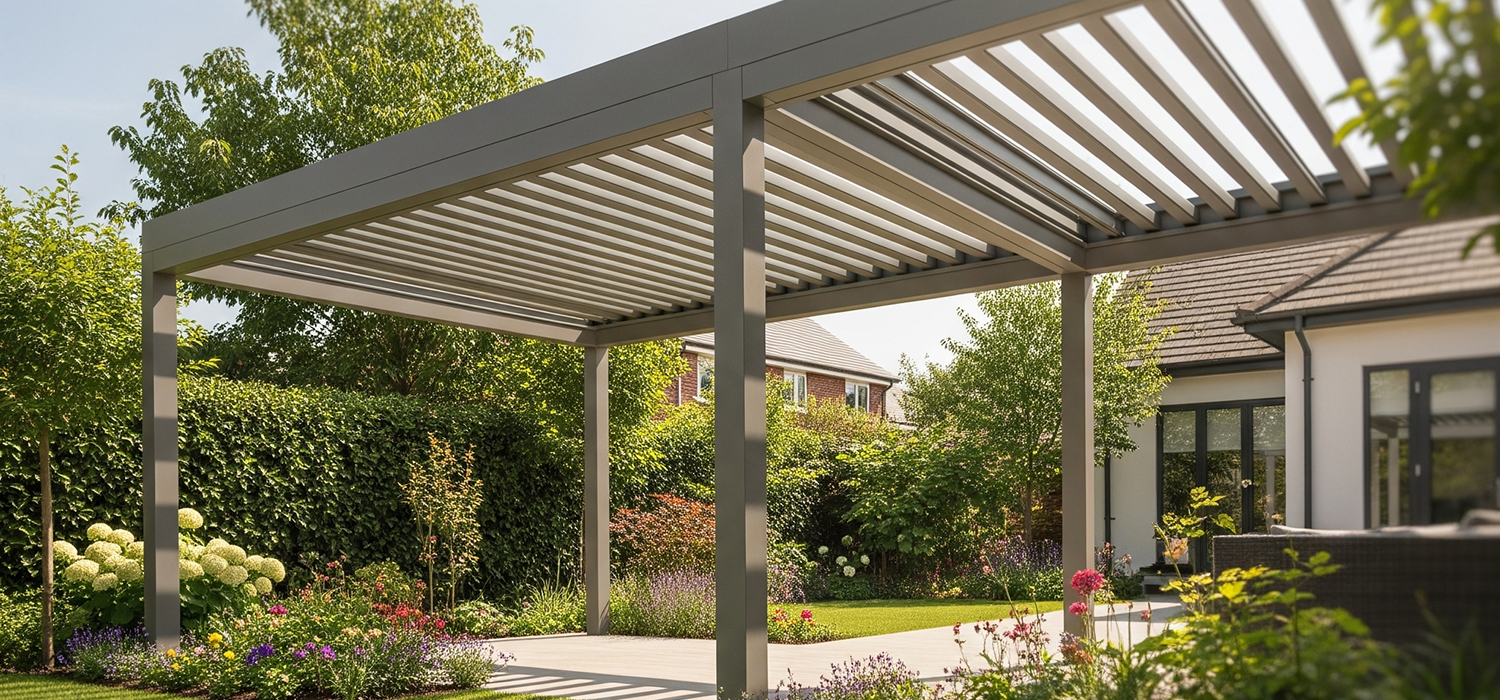
Want a garden that’s green in every sense? An eco-friendly aluminium pergola adds style and sustainability. The short answer: yes, you can have stunning outdoor elegance without harming the planet. Keep reading to discover smart materials, clever upgrades, and why your next garden flex should help the Earth, too.
Stylish, green, and good for the planet—sustainable gardens are having their moment. More and more Brits are turning to their outdoor spaces not just for lounging, but as an extension of their eco-conscious lifestyles. Enter the sustainable pergola: a striking centrepiece that brings charm and ethics together.
Whether it’s a sleek aluminium frame or reclaimed wood that tells a story, today’s pergolas are more than sunshades. They’re declarations of sustainable living—without skimping on design.
Eco-friendly doesn’t just mean "not plastic" anymore. For pergolas, it covers a whole range of smart decisions—from material choice and construction methods, to how it weathers over time.
In essence, it’s about leaving a lighter footprint while making your outdoor space look effortlessly stylish.
A truly sustainable pergola considers its full journey. That means looking at where the materials came from, how they’re processed, how long they’ll last, and whether they can be reused or recycled.
Think of it like this: sustainability isn’t just about birth—it’s about graceful ageing and responsible retirement.
By choosing locally sourced wood or metals, you cut down on transport emissions. Opt for flat-pack kits and powder-coated finishes for fewer environmental nasties. Every decision—from the type of screws to the delivery van—adds up.
Going green with your pergola means backing ethical forestry, recycled manufacturing, and cleaner air. It's a small choice with big ripple effects. You're showing that beautiful doesn’t have to mean wasteful.
Materials like aluminium and composite timber don’t just last—they thrive. They shrug off rain, resist rot and pests, and don’t need repainting every year. That means more relaxing under your pergola, and less time fixing it.
Pair your eco pergola with native plants and water-saving features and suddenly your garden is working double-time. You’re not just enjoying the view—you’re giving something back to the environment.
Wood lovers, rejoice—you don’t have to give up timber to go green. Just choose wisely.
FSC® certification is your stamp of approval for responsibly sourced timber. It guarantees the wood comes from well-managed forests and helps protect ecosystems.
Ever walked past an old barn or warehouse and admired the weathered beams? Reclaimed wood gives your pergola a rustic charm and saves usable timber from ending up in landfill.
These woods naturally resist the British elements, reducing the need for treatments. Western Red Cedar, in particular, ages to a gorgeous silvery grey.
Ditch the chemical cocktail. Oils like linseed or tung not only protect your pergola but keep your garden ecosystem safe and bee-friendly.
Modern pergolas often go for a sleek, industrial vibe—and it can still be green.
It’s stylish, strong, and doesn’t rust. Aluminium is endlessly recyclable, making it a smart choice for eco-conscious modern gardens.
Fancy a pergola with presence? Recycled steel offers unmatched strength and a bold look. Just add climbing ivy for contrast.
Powder coating gives a clean, tough finish without the nasty chemicals found in traditional paint. It keeps your pergola looking sharp for years.
Bamboo is the speed demon of the plant world—fast to grow, quick to replenish. Just make sure it’s sustainably farmed and ethically imported.
Want timber looks without the faff? Recycled composite boards offer the best of both worlds—low maintenance and high impact.
Top your pergola with a green roof and you’re adding insulation, reducing runoff, and giving wildlife a new hangout spot.
Design your pergola to work with the sun, not against it. Angled slats, climbing plants, or louvres help control light without needing electric blinds.
An open-frame design encourages airflow, keeping the space cool and breezy on warm days. Perfect for alfresco dining.
Don’t skimp on joinery. Strong frames, galvanised fixings, and thought-through design mean fewer repairs and more BBQs.
Choose standard fittings and modular elements so if one part breaks, it’s easy to replace. Future-you will thank you.
Install a gutter and rain barrel to collect water for your garden beds. It’s sustainable and saves on water bills.
Forget solid concrete—use gravel, stone, or porous pavers to let rain soak naturally into the ground. Less puddle, more planet-friendly.
Plant lavender, rosemary, or ornamental grasses that laugh in the face of a dry spell. They're hardy, fragrant, and low-maintenance.
Native plants help bees, butterflies, and birds feel at home. They also tend to thrive in your soil without pampering.
Drip irrigation, watering spikes, or old-school watering cans used wisely can make a big impact.
Charge fairy lights or lanterns during the day and enjoy a glowing garden by night—no plug socket required.
Infrared heaters warm you directly and waste less energy. Or grab a blanket and a hot cuppa. Very British.
Don’t wait for the end to plan for it. Choose recyclable parts, avoid adhesives that make disassembly tricky, and opt for finishes that won't leach chemicals into the soil.
Let the grain of the wood or the matte finish of aluminium shine. Natural looks never go out of style.
Less is more. A simple, well-structured pergola draws the eye without overpowering your garden.
Nestle your pergola into its surroundings with climbing vines, curved paths, or earthy colour palettes. It’ll feel like it’s always belonged.
Eco-friendly pergolas show that you don’t have to compromise on style to be sustainable. Whether you choose rustic reclaimed wood or modern recycled aluminium, your pergola can be the hero of your garden—and the planet.
Build with intention, blend design with durability, and let your outdoor space tell a story of beauty and responsibility. Because the best views are the ones you can feel good about.
Other articles our customers have found useful:

